If you're a landlord, property manager, or tenant in Texas, understanding the Texas Property Code requirements for locks and security devices is essential. The law is very specific about what locks must be installed, when they must be rekeyed, and who pays for what.
This guide breaks down Texas Property Code Chapter 92, Subchapter D (Sections 92.151-92.170) - the laws governing residential security devices in Texas rental properties.
The law is very specific about what locks must be installed, when they must be rekeyed, and who pays for what.
Why Texas Has Specific Lock Laws
Texas didn't pass Chapter 92 on a whim. The legislature recognized that tenants have no practical ability to inspect a rental unit's lock history before signing a lease, and no guarantee that previous occupants returned every key they were ever given. That information gap creates real risk, which is why the code shifts the responsibility to landlords, who control the property and have every opportunity to act between tenancies. The law covers four core goals: protecting tenant safety by guaranteeing functional locks, clarifying landlord duties so there's no ambiguity about who installs and maintains security hardware, preventing disputes by establishing who pays for rekeying and repairs, and setting a statewide floor so tenants in Amarillo and Corpus Christi alike get the same baseline protection.
The compliance obligation falls on virtually every residential rental arrangement in Texas. All landlords with residential rental properties, property management companies, apartment complexes, single-family home rentals, and condo and townhome rentals must comply. Hotels and motels are excluded because they operate under separate hospitality law, and owner-occupied properties with four or fewer units where the owner lives on-site are also exempt.
Texas Property Code §92.153: Required Security Devices
Every rental property in Texas must have five categories of security devices installed and working before a tenant ever turns the key for the first time. These are not optional upgrades or best practices - they are the legal minimum. A landlord who skips any of them is already out of compliance before the first lease is even signed.
1. Window Latches (§92.153(a)(1))
The statute requires a window latch on each exterior window of the dwelling. In plain terms, every window that opens to the outside must have a working latch or lock. This sounds straightforward, but it catches landlords off guard on older properties where decades of paint, swelling wood, or worn hardware have made latches nonfunctional. The three most common violations are broken latches that were never repaired after a previous tenant, windows whose track hardware has worn down enough that the latch no longer seats properly, and older windows where the original latch hardware was simply never replaced.
2. Doorknob Locks or Keyed Deadbolts (§92.153(a)(2))
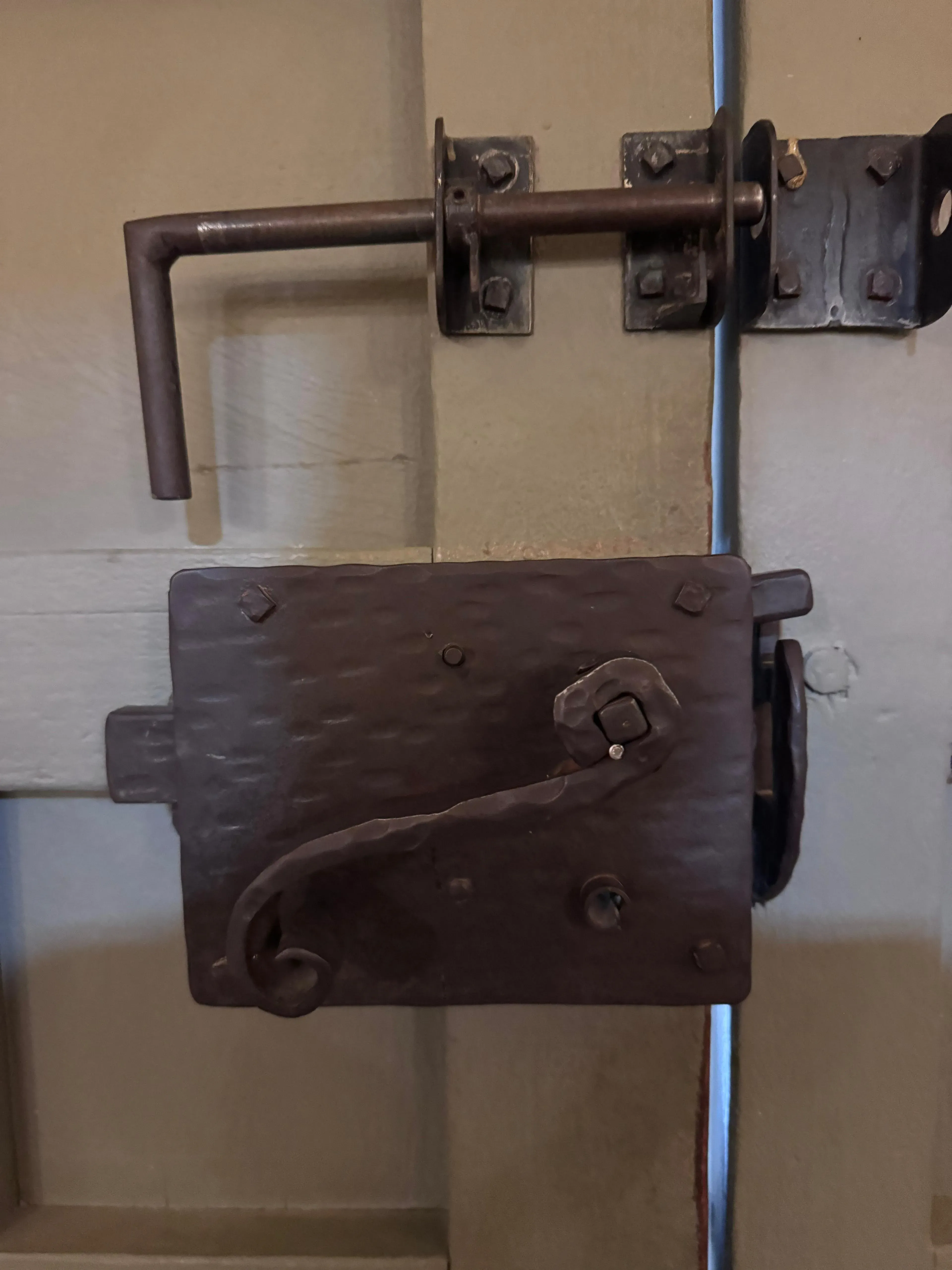
The code requires a doorknob lock or keyed deadbolt on each exterior door. The word "or" is deliberate: you need at minimum one of the two, though most landlords and tenants are better served by having both. A doorknob with a keyed lock meets code on its own, as does a single-cylinder keyed deadbolt on its own. What does not meet code is the combination of an unkeyed passage doorknob (which provides no security) paired with a deadbolt, because the passage knob does not itself lock.
Minimum standards in practice:
- Doorknob with keyed lock + separate deadbolt (best practice)
- Doorknob with keyed lock only (meets code but less secure)
- Keyed deadbolt only (meets code if it's single-cylinder)
- Passage doorknob (no lock) + deadbolt (NOT compliant, needs both)
3. Sliding Door Security Devices (§92.153(a)(3)-(a)(4))
Patio doors and sliding glass doors need a dedicated secondary security device because the standard factory latch on a slider can be defeated quickly and without tools. The statute accepts three approaches: a pin lock (a metal pin dropped into the track to prevent the panel from moving), a security bar (a removable bar laid across the track), or a foot lock (a lever-operated lock at floor level). Each one is inexpensive and installs in minutes, which makes non-compliance here particularly hard to justify.
Common violations in this category involve using a broomstick as an improvised bar (which is not a code-compliant security device), installing a pin lock but never showing the incoming tenant how to engage it, or simply leaving the property without the device after a prior tenant removed or lost it.
4. Door Viewers (Peepholes) (§92.153(a)(5))
Every exterior door that is not made of glass needs a peephole so tenants can identify visitors before opening the door. The statute is specific about height, requiring installation between 4.5 and 5.5 feet from the floor, which also happens to align with ADA-accessible viewing heights. A wide-angle lens (180 degrees of field) is standard in the industry. The peephole must go through the solid core of the door, not through any decorative glass panel beside it.
Sliding glass doors are exempt because the glass itself serves as a visual barrier. Doors with full-panel windows or sidelights are also exempt for the same reason, as are screen doors when the main entry door already has a viewer.
5. Keyless Bolting Devices (§92.153(a)(5))
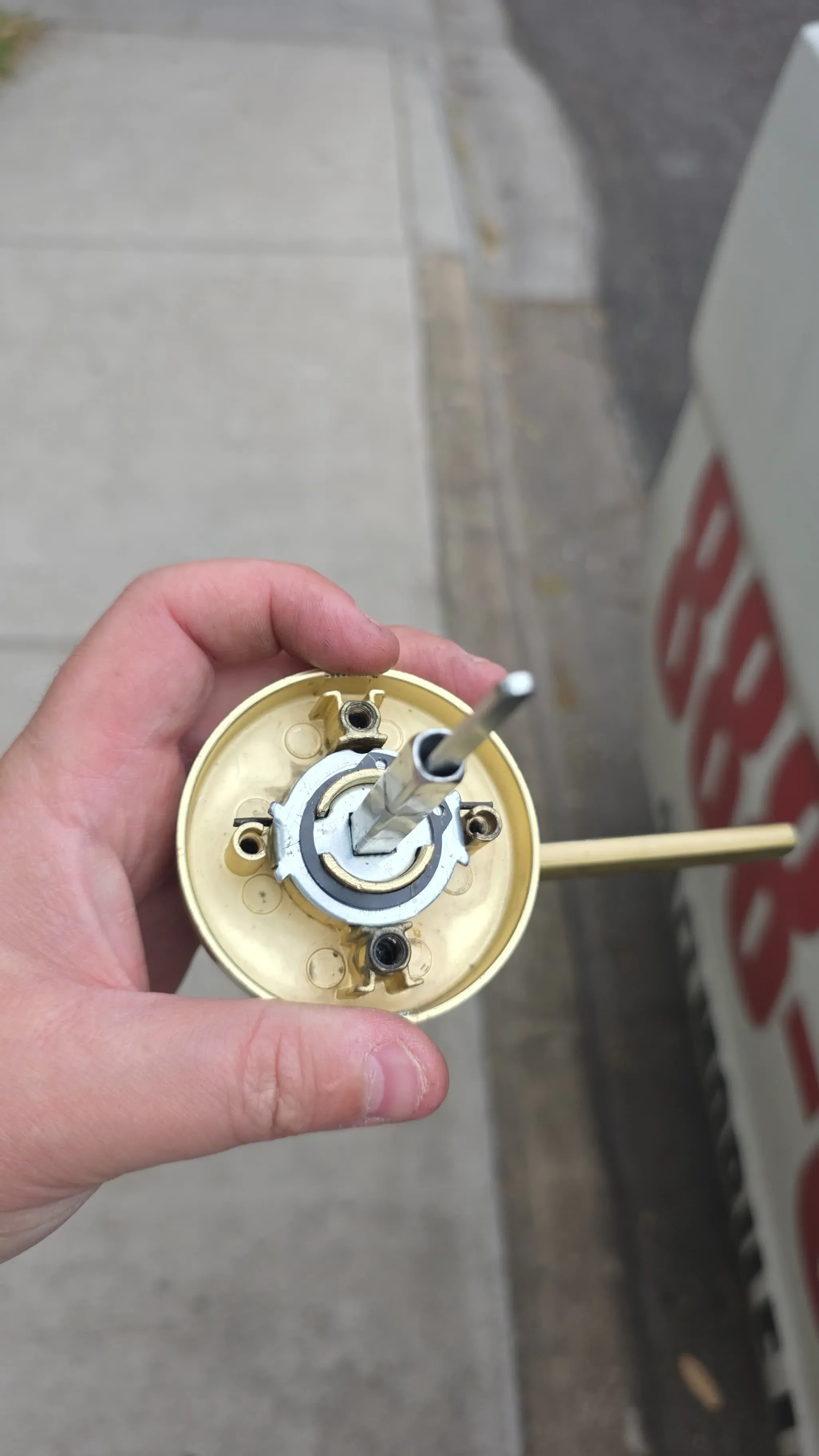
The fifth required device is a keyless bolting device on each exterior door, meaning a secondary lock that can only be engaged from inside the unit. The purpose is to give occupants a way to secure the door during the hours they are home, independent of the keyed locks that both the landlord and tenant can access. A chain lock, sliding barrel bolt, flip latch, or swing bar lock all qualify. A keyed deadbolt does not count here because it is already required separately and can be operated from outside. A doorstop or wedge is not a latching device and does not count either.
Texas Property Code §92.154: Height, Strike Plate, and Throw Requirements
The installation obligation is not just about having the right hardware available - it has to be in place and working before the tenant takes possession. Landlords bear the cost of all installation; that expense cannot be shifted to the tenant. The devices must also be in good working order at the time of move-in, not merely present. A deadbolt that turns but does not throw fully into the strike plate is not compliant.
Tenants carry their own responsibilities once they move in. Broken or malfunctioning devices need to be reported promptly, the installed hardware must not be damaged or removed, and any additional lock the tenant wants to add requires the landlord's written permission first.
Texas Property Code §92.156: Rekeying Requirements
Rekeying is where the code has the sharpest teeth for landlords who are not paying attention.
This is the most important section for landlords and locksmiths.
Rekeying between tenancies is where many landlords run into legal trouble, because the requirement is absolute and the timeline is not negotiable. The law does not allow a landlord to hand a new tenant the same keys that the previous occupant had, even if the prior tenant was perfectly trustworthy. The risk comes from duplicate keys made during the tenancy that the landlord has no knowledge of or control over.
When Landlords MUST Rekey Locks
Under §92.156(a), landlords must rekey or change locks when a new tenant takes possession - meaning between every single tenancy without exception - and at a tenant's request if the original keys were lost, stolen, or otherwise compromised.
Under §92.156(b), a tenant can request rekeying for any of the following reasons, and the landlord must complete it within 7 days of the written request:
- Lost keys
- Stolen keys
- A reasonable belief that someone else has a copy
- A domestic violence situation where the key holder is an abuser (covered separately under Texas Property Code §92.016)
Who pays depends on why the rekey is happening. Turnover rekeying between tenants is always the landlord's cost. If a tenant lost their own keys during the tenancy and requests a rekey, the tenant pays. Rekeying requested because of a domestic violence situation is paid by the landlord regardless.
Rekeying Costs (Texas Averages)
These are real price ranges based on what licensed Texas locksmiths charge. They are not guarantees, and costs vary by market, property type, and hardware brand.
Professional locksmith rekeying is the most common approach and covers the full service call plus the rekey itself:
- 1st lock: $75-$100 (includes service call)
- Each additional lock: $25-$40
- Full apartment (3 exterior doors): $125-$175
DIY rekeying kits work for landlords willing to learn the process and are practical only on certain lock brands:
- Kwikset SmartKey: $0 (takes 30 seconds with included tool)
- Traditional pin-tumbler rekey kit: $20-$30
Master key systems are the long-term solution for apartment complexes, reducing per-unit costs once the initial infrastructure is in place:
- Initial setup: $500-$2,000 (depending on number of units)
- Per-unit rekey: $15-$25 (when using master key system)
Texas Property Code §92.158: Landlord's Duty to Repair
When a security device breaks or stops working, the landlord's 7-day clock starts the moment written notice arrives - not when they decide to read it, not when it is convenient, and not when they find a contractor. The repair must bring the device back up to code standard. A landlord cannot replace a working deadbolt with a lower-grade lockset just because it is cheaper or easier to install. The repair is also at the landlord's expense unless the tenant caused the damage.
Three scenarios illustrate how this plays out:
Tenant reports broken deadbolt: The landlord must repair within 7 days at landlord's expense (normal wear and tear). If the landlord refuses, the tenant can hire a licensed locksmith and deduct the cost from rent under §92.164(a)(1).
Tenant breaks window latch during a party: The landlord must still repair within 7 days, but the tenant is responsible for the cost since the damage goes beyond normal wear. The landlord can deduct the repair cost from the security deposit.
Lock is vandalized by a third party: The landlord must repair within 7 days at landlord's expense, since this is not the tenant's fault. The landlord may file a police report and an insurance claim to recover costs.
Texas Property Code §92.164: Tenant's Remedies for Non-Compliance
When a landlord fails to install or repair required security devices, tenants in Texas have three distinct legal paths available to them. The remedies are serious and the financial exposure for a non-compliant landlord is real.
1. Repair and Deduct (§92.164(a)(1))
This remedy gives tenants a direct path to resolution without requiring them to file a lawsuit first. The tenant gives written notice describing the specific problem, then waits 7 days for the landlord to fix it. If the landlord does not act within that window, the tenant hires a licensed professional, pays for the repair directly, and deducts the cost from the next month's rent along with copies of the receipts. Under §92.164(a)(1), there is no statutory dollar cap on the deduction for security-device repairs. The work should still be done by a licensed, insured contractor.
2. Terminate Lease (§92.164(a)(2))
If the security devices are missing or broken and the landlord refuses to act, the tenant may terminate the lease entirely without court proceedings. Once properly terminated, the tenant owes nothing for future rent and is entitled to the return of the security deposit. To use this remedy, the tenant must have first served a written request for compliance that the landlord did not satisfy within the statutory window (the third day after the request is received, or the seventh day if the lease includes the required boldface security-device notice, which most standard Texas leases do), the security issue must constitute a material breach of the lease, and the tenant must be current on rent at the time.
3. Sue for Damages
A tenant who has gone through the notice process and still received no action can pursue the landlord in court. Recoverable damages include the cost of temporary housing if the property was unsafe, the cost of hiring a locksmith to install the required devices, attorney's fees and court costs under §92.164(a)(4), and a civil penalty of one month's rent plus $500. That civil penalty applies once the landlord fails to comply after the tenant's written request; it does not require proof that the landlord acted willfully.
Texas Property Code §92.156: Rekeying or Changing Locks on Tenant Turnover
The obligation to rekey between tenancies gets its own section in the code because it is that important. Before a new tenant moves in, every exterior door lock must be rekeyed. If any lock cannot be rekeyed (because it is damaged, worn, or is a non-rekeyable model), the entire lock must be replaced. New keys must be issued and copies provided to the incoming tenant.
Documentation matters here too. Landlords should keep a record of when each lock was rekeyed, the date, and the invoice from the locksmith. Providing a copy of that receipt to the new tenant is good practice and can head off future disputes. Apartment complexes benefit from maintaining a master log tracking which units were rekeyed and when. Non-compliance on this point carries real financial risk: civil liability if the new tenant's property is stolen because a prior occupant still had a working key, the one-month-rent-plus-$500 civil penalty if the tenant sues, and potential lease termination rights. A San Marcos or New Braunfels landlord juggling short-term and student turnover specifically can find that same tracking discipline, plus guest-code resets, walked through in our rental property lock guide for San Marcos and New Braunfels.
Texas Property Code §92.163: Removal or Alteration of Security Devices by Tenant
Tenants can add security hardware beyond the legal minimum, but there are conditions. Written permission from the landlord is required first. If the tenant installs a keyed lock, the landlord is entitled to a copy of the key. Any unauthorized lock - one installed without the landlord's written approval - is a lease violation that the landlord can remedy by demanding a key immediately, changing the lock back, and charging the tenant for the work.
Three common scenarios:
Tenant installs a chain lock on the front door: This is generally allowed with written landlord approval. If the chain lock has a keyed component, the tenant must provide a key. The hardware must be removed at move-out, or the landlord can charge for removal.
Tenant changes the existing locks without permission: This is a lease violation. The landlord can demand a key immediately, restore the original hardware, and charge the tenant.
Tenant installs a smart lock (such as an access control device like August or Kwikset Kevo): This is usually allowed with landlord approval. The landlord is entitled to an access code or a physical key. The original lock must be restored at move-out.
Common Violations and Penalties
The penalties under Texas Property Code are structured to make non-compliance more expensive than compliance. Fines stack with civil remedies, and a landlord who ignores written notice can quickly find themselves facing attorney fees, court costs, and a terminated lease on top of the original repair bill. The table below maps the most frequent violations to their consequences.
| Violation | Penalty |
|---|---|
| Failure to install required devices | $500 + 1 month rent + attorney fees |
| Failure to repair within 7 days | Tenant can repair and deduct from rent |
| Failure to rekey between tenants | Liability for tenant's stolen property + penalties |
| Retaliating against tenant who requests repair | $500 + 1 month rent + attorney fees |
| Installing locks without permission | Landlord can remove + charge tenant |
| Refusing to provide key to tenant-installed lock | Lease violation, possible eviction |
| Damaging security devices | Cost of repair deducted from deposit |
Best Practices for Landlords
Running a compliant rental property in Texas does not require a law degree, but it does require a system. The landlords we work with across Austin, San Antonio, and the rest of the state who avoid disputes almost all share the same habits: they act before they are required to, they document everything, and they never assume that "close enough" meets code.
1. Install Security Devices Before Listing Property. Do not wait until the week a tenant moves in. Get the property compliant during the turnover period, photograph every device, and include that documentation in your marketing. A listing that says "All Texas Property Code security devices installed and documented" signals a professional landlord to prospective tenants.
2. Use Kwikset SmartKey Locks. These locks rekey in about 30 seconds using the included tool, with no locksmith needed and no need to remove the hardware. At $30-$40 per lock, they pay for themselves after one or two turnover rekeying cycles compared to paying a locksmith $25-$40 per lock each time.
3. Keep Detailed Records. Photograph all locks and security devices at move-in, save every locksmith invoice, and document all tenant requests and your responses in writing. If a dispute ever reaches small claims court, a paper trail is the difference between winning and losing.
4. Create a Master Key System for Apartments. In a multi-unit property, a properly engineered master key system gives each tenant a unique key for their unit while the property manager holds a master for emergency access. This setup also reduces per-unit rekey costs over time because the locksmith's work is systematized.
5. Include a Security Device Clause in Every Lease.
"Landlord has installed all security devices required by Texas Property Code §92.153. Tenant agrees to notify Landlord within 24 hours of any malfunction or damage to security devices. Tenant will not install additional locks without Landlord's written permission."Best Practices for Tenants
Tenants in Texas have more legal tools available to them than most realize. The key is knowing what to look for, documenting it from day one, and using the written notice process correctly when something goes wrong.
1. Inspect All Security Devices at Move-In. Test every lock, latch, and window latch before you sign the move-in checklist. Check the peepholes for clarity. If anything is broken, missing, or not working properly, document it in writing on the checklist and photograph it before you hand it back to the landlord. For a fuller walkthrough of the first week, including smart lock resets, the garage opener, and your cluster mailbox key, see our move-in lock checklist for new San Marcos and New Braunfels residents.
2. Request All Repairs in Writing. Email and certified mail both create a timestamped record. Include a photo of the broken device and reference Texas Property Code §92.158 by name. This starts your 7-day clock and protects your right to the repair-and-deduct remedy if the landlord does not respond.
3. Do Not Install Your Own Locks Without Permission. Even well-intentioned upgrades become lease violations if they were not approved in writing first. Get the approval, understand that you will need to provide a key, and plan to remove the hardware at move-out.
4. Know Your Rights for Rekeying. You can request a rekey any time your keys are lost, stolen, or you have reason to believe someone unauthorized has a copy. The landlord must complete it within 7 days. You pay only if you lost your own keys - not if the lock itself was broken or compromised.
Texas-Specific Lock Considerations
High Heat and Humidity (Houston, Corpus Christi)
The Gulf Coast climate is hard on lock hardware. High temperatures and persistent humidity accelerate rust on ferrous parts and cause the brass components in standard deadbolts to corrode faster than the rated spec. Use Grade 1 ANSI-rated locks, which carry a heavier-duty finish. Lubricate with graphite powder (not oil-based lubricants, which attract dust) every six months, and check coastal properties annually for rust on strike plates and hinge hardware.
Extreme Weather (West Texas, Panhandle)
Dust is the primary enemy of lock mechanisms in Lubbock, Amarillo, and El Paso. Fine particulates work into the pin chambers and cause locks to bind long before the hardware is worn. Weatherproof strike plates help, and covering lock hardware during dust storms (with a simple adhesive cover or even a piece of tape) can extend service life significantly.
High Crime Areas (Major Metros)
The code sets a minimum, not a ceiling. In higher-risk neighborhoods in Dallas, Houston, or San Antonio, Grade 1 deadbolts, smart locks with access logs, and door reinforcement kits (kick-proof strike plates and longer hinge screws) are reasonable upgrades that go beyond what the statute requires but meaningfully improve real security.
Need Help with Texas Property Code Lock Compliance?
Our licensed locksmiths serve landlords and property managers across Texas. Call us at (888) 601-6005 - License #B19847.
For Landlords: We work with property owners and management companies on everything from single-unit turnovers to large apartment complexes:
- Turnover rekeying services - Same-day service between tenants
- Master key system setup - Reduce rekeying costs long-term
- Bulk lock installation - Discounts for multi-unit properties
- Compliance audits - Inspection to verify Texas Property Code compliance
For Tenants: If your landlord has not completed a required repair or you need emergency access, we can help:
- Lock repair verification - We'll confirm the landlord's repair meets code
- Emergency lockout service - 24/7 availability
- Security upgrades - Install additional approved devices
Common projects our team handles include apartment complex master key system installation, rental property security device installation (all §92.153 devices at once), and emergency lock repairs for landlords who need to meet the 7-day deadline.
Service areas: Austin, San Antonio, Houston, Dallas, Fort Worth, El Paso, Arlington, Corpus Christi, Plano, and all major Texas metro areas.
Last updated: December 2025 | This guide is based on Texas Property Code Chapter 92, Subchapter D (current as of 2025). This post earned 43 clicks and 6,223 impressions over 16 months in search.
Content strategy and SEO by Optymizer