YouTube makes everything look easy. "How to pick a lock in 30 seconds!" "Rekey your own locks - simple DIY!" "Change your car's transponder key yourself!"
Then you try it. And reality hits: broken tools, damaged locks, hours wasted. A $20 DIY project turns into a $500 professional repair.
What looks simple on video requires years of training, specialized tools, and experience handling hundreds of locks. Professional locksmiths don't just know how to do the work - they know the shortcuts, the common failures, the safety requirements, and exactly when that "simple" job is actually complex.
This guide covers the top reasons why hiring a professional locksmith saves you time, money, frustration, and property damage - and when the cost of DIY far exceeds the cost of professional service.
Reason #1: Specialized Tools and Equipment
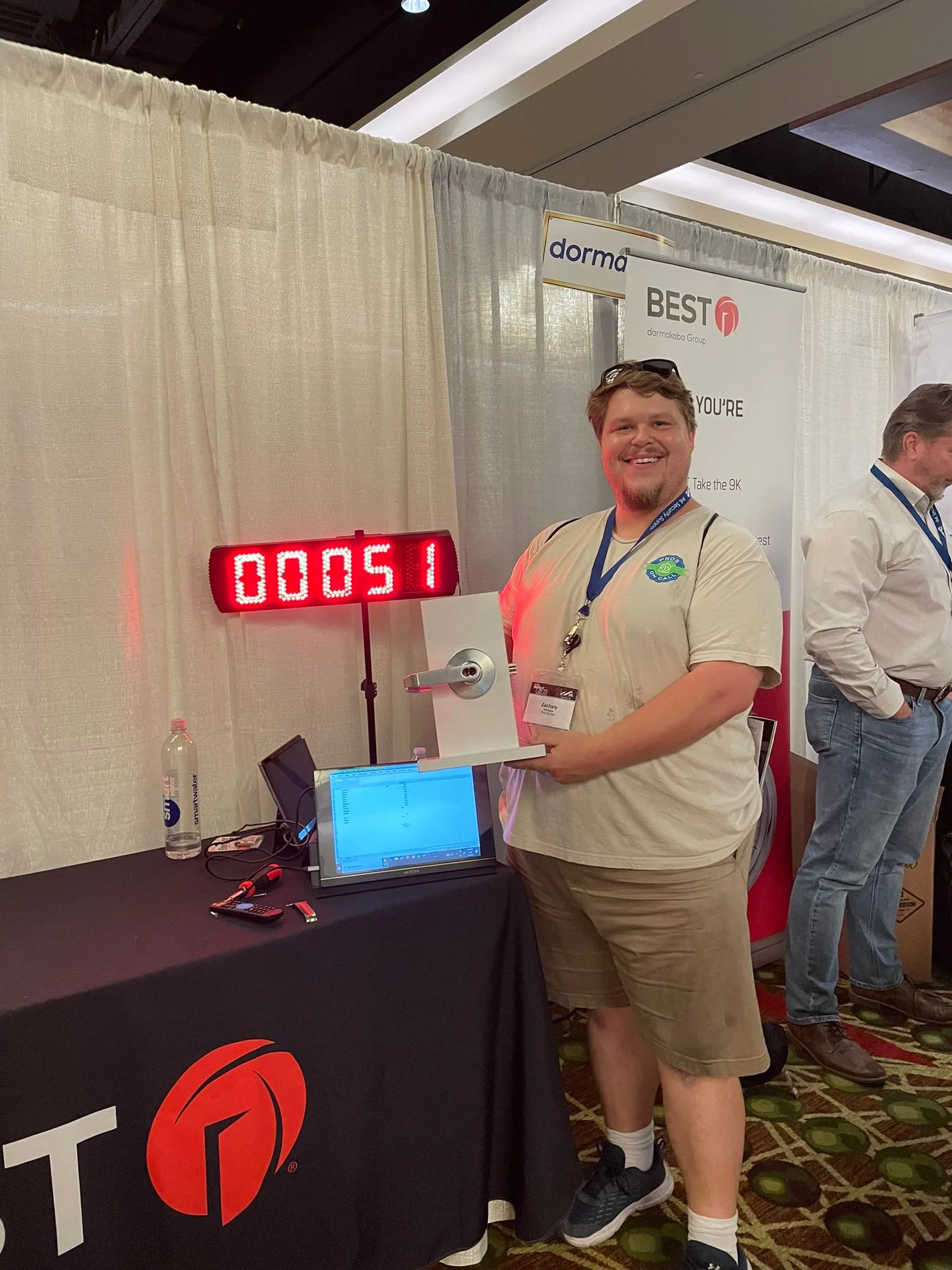
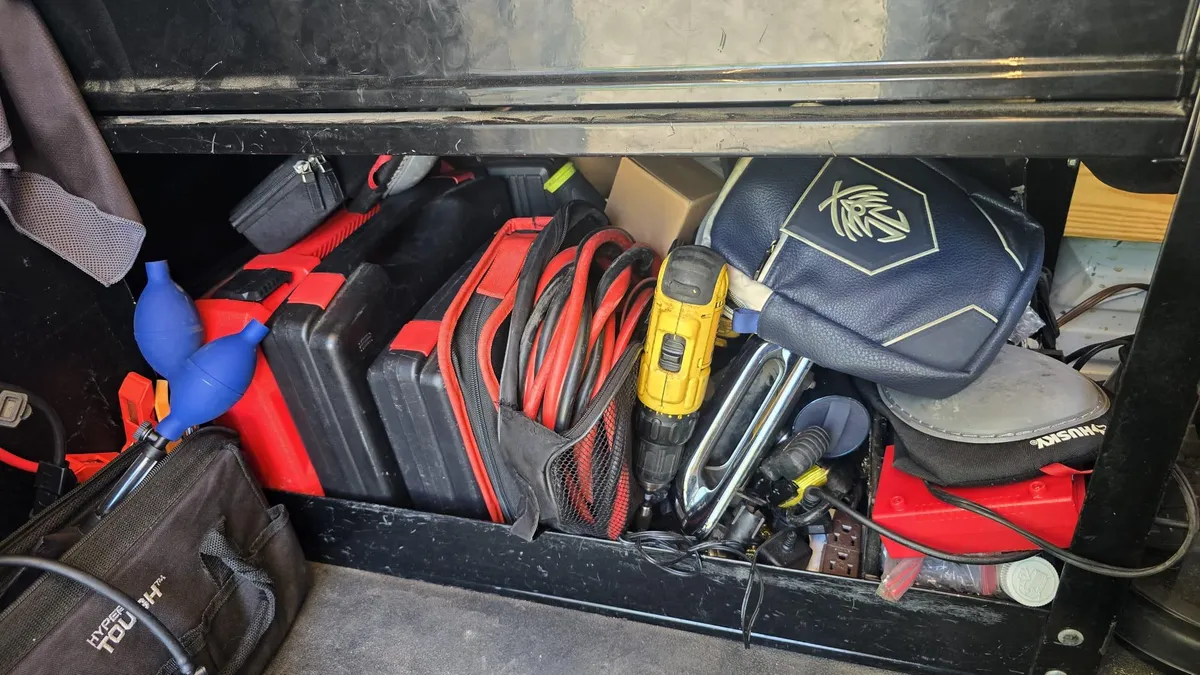
A professional locksmith's truck is a rolling workshop stocked with equipment that costs more than most people's cars. That investment exists because locks are precision mechanical devices, and the wrong tool used without training causes expensive damage fast. A basic residential kit runs $2,000-$5,000 and covers pick sets, plug followers, pinning kits, key cutting machines, and extraction tools. The automotive kit adds another $10,000-$30,000 in lockout tools, transponder programmers, OBD-II diagnostic equipment, and vehicle-specific software. Commercial work layers on high-security pick sets, master key pinning supplies, panic hardware tools, and access control programming devices. All told, a working Texas locksmith has $20,000-$50,000 in tools on the truck.
A $30 lock pick set from Amazon looks similar to professional picks in photos. In practice, the difference is obvious the moment you apply real tension to a worn lock. Consumer picks are made from softer steel with loose tolerances. They bend under the force that worn cylinders require, they cannot hold their shape through a difficult set, and they are simply not built for real-world service demands. Missing one or two pinning tools stops a rekey cold. And even with a complete set, picking a lock is a feel task, not a visual one - a skill that only comes from thousands of repetitions.
Having a scalpel doesn't make you a surgeon. Having lock picks doesn't make you a locksmith.
Beyond quality, some equipment is not available to consumers at any price. Commercial-grade transponder programmers, dealership-level key cutting machines, and the proprietary software that talks to a vehicle's immobilizer are restricted to licensed businesses. Distributors require a current business license and, in many cases, a background check before processing an order. The software itself runs on annual subscription licenses tied to verified businesses. You literally cannot program a modern car key yourself - not because you're incapable, but because you cannot access the tools.
The DIY math is straightforward. A first attempt at rekeying a single lock looks like this:
- Tools and supplies: $85
- Time (5 hours): value of $125-$500 depending on your hourly rate
- Success rate for first-timers: roughly half succeed on the first try
- Cost if it fails: add a broken lock ($100-$200) plus a locksmith call ($150) on top
A professional rekey runs $75-$125 and takes 15-30 minutes, with a 99.9% success rate and a warranty.
Reason #2: Prevent Property Damage
The most expensive part of a failed DIY lock job is usually the collateral damage - not the tools or the wasted time. Three scenarios repeat constantly across Texas.
Broken lock cylinders. When someone applies too much tension with a consumer pick, the cylinder binds hard. Pins jam, the plug cracks internally, and the lock becomes permanently inoperable. A locksmith would have felt that binding build and adjusted before damage occurred. Once the cylinder is jammed, the only path forward is drilling it out and replacing the entire lock body: $100-$200 for the lock plus $150-$300 for the service call, versus $100-$150 if you had called first and skipped the DIY attempt entirely.
Damaged door frames. The bore hole for a deadbolt has to land within a few millimeters of the correct position or the door will not latch. Professionals use installation templates to mark the location exactly. Without that template, the drill goes roughly where it looks right - and "roughly" is rarely close enough. A misaligned bore hole means splintered wood, a door that will not latch, and a carpenter's bill ($200-$500) on top of a second locksmith call to install the deadbolt correctly.
Scratched car doors. A coat hanger between a car window and door frame contacts the paint, the weather stripping, and the interior panel trim within the first few inches. In Austin or Houston summer heat, rubber seals are softer and tear more easily. Even a minor scratch requires a body shop visit. A professional uses tools designed for specific door cavity profiles - tools that enter without touching the paint.
Some DIY mistakes go further and close off options permanently. Drilling a lock cylinder is a last resort, not a first step - once drilled, it is destroyed and must be replaced, even if a locksmith could have picked it. Pushing a broken key fragment deeper into a plug makes professional extraction exponentially harder with every attempt. Forcing a wrong key into a car ignition can shear the wafers inside the cylinder, turning a $150-$300 extraction into a $500-$2,000 ignition replacement.
Here is the protection gap that most people overlook: when a licensed, bonded locksmith causes damage, their general liability insurance covers it. When you cause damage yourself, you are almost certainly on your own. Homeowner's policies frequently exclude self-inflicted damage, and auto roadside assistance covers the locksmith call but not the paint scratches from your earlier coat-hanger attempt.
Reason #3: Time Is Money
When people compare the cost of a locksmith to DIY, they usually count dollars but forget to count hours. That framing always makes DIY look cheaper than it is. The real calculation includes the value of your time, and for most people in the Austin metro or across Texas, that number is significant.
A professional locksmith rekeying three locks has run that exact sequence dozens of times this month. Their hands know every step. They carry the correct pinning kit for your lock brand and move through the process without hesitation. Total time: 20-30 minutes. A first-timer doing the same job spends 30 minutes watching tutorials, 20 minutes organizing tools, then an hour on the first lock, 45 minutes on the second, and another 30 on the third - before anything goes wrong. When something does go wrong, the troubleshooting adds another hour. Total time: 4+ hours.
At $50 an hour, those four hours represent $200 in time on top of $85 in tools and supplies. The locksmith would have cost $100-$150 and freed your afternoon.
Speed matters even more in emergency situations. A lockout at 11 PM does not allow for a hardware store run or a YouTube session under good lighting. A business that cannot open because of a lock malfunction is losing revenue every hour the front door stays locked - a cost that makes a $150 locksmith call look inexpensive in comparison. Emergency lockouts are also when people make their most costly DIY mistakes, because time pressure and inadequate lighting produce the exact conditions for damage.
Reason #4: Expertise Prevents Costly Mistakes
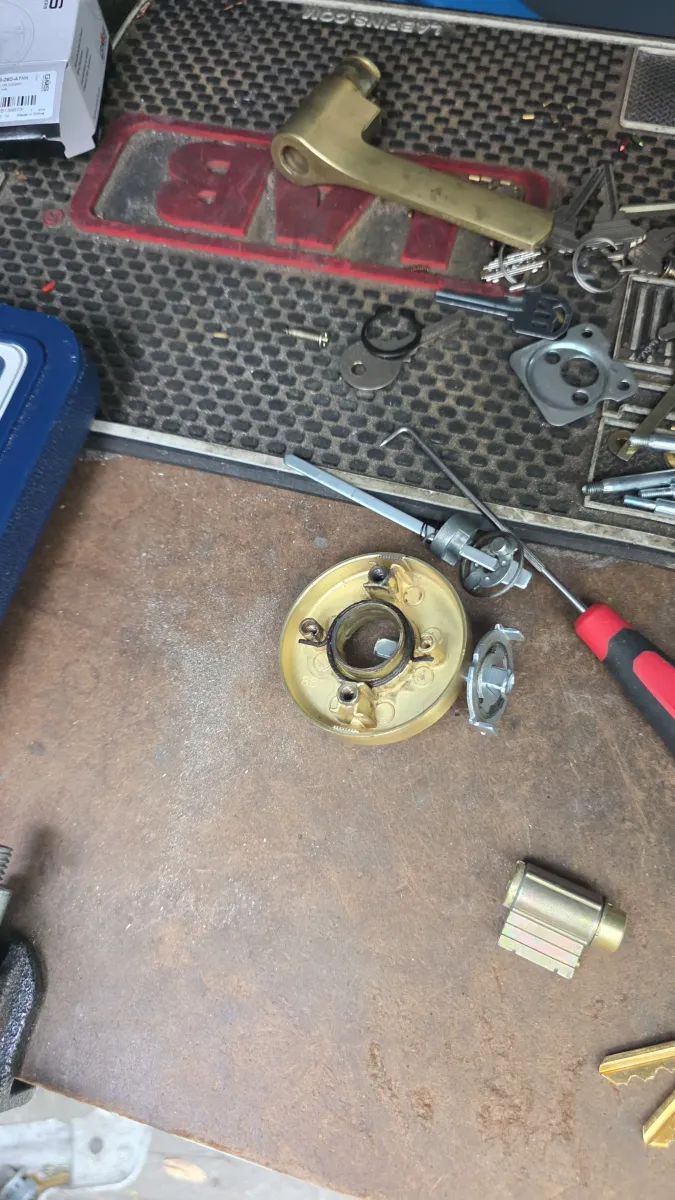
A licensed Texas locksmith completes a formal training program covering lock mechanisms, building codes, key cutting precision, and troubleshooting methods before they ever touch a customer's lock. That training is then reinforced by field work. In Texas, the Texas DPS Private Security Bureau licensing requirements exist because lock work carries security and safety consequences when done poorly.
One of the most undervalued things a professional brings is knowing when not to pick. High-security locks from brands like Medeco or Mul-T-Lock have anti-pick pins that make sustained picking attempts actively harmful to the cylinder. A professional recognizes these locks immediately and switches to a faster, less destructive approach. A DIY attempt on that same lock wastes an hour and may destroy the cylinder. Professionals also know when a lock needs replacement rather than service - worn components that will fail again in six months, hardware that does not meet current building code, or a security grade that no longer fits the property's actual risk.
There is a meaningful difference between a lock that functions and a lock that actually protects your home. A professional can walk up to your front door and read your security setup the way a mechanic reads an engine - grade ratings, attack vulnerabilities, strike plate depth, door frame strength. The most common finding in Texas residential security assessments: a Grade 3 deadbolt on a front door that sees genuine security risk, combined with a strike plate held in by 3/4-inch screws that pull out of the frame under a firm kick. The homeowner who installed it themselves often has no idea those grades exist and replaced the original with an identical product, creating a false sense of security while the actual vulnerability remained unchanged.
Reason #5: Liability and Insurance Protection
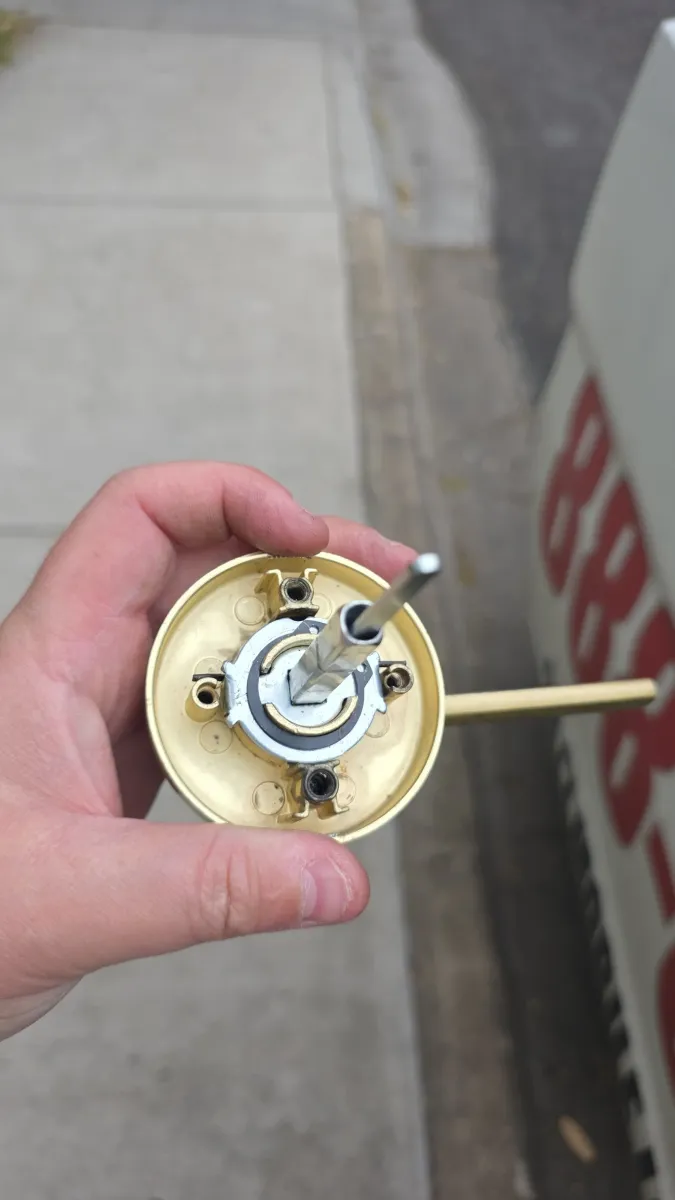
When you hire a licensed, bonded locksmith, you are not just paying for skill - you are transferring risk. Texas the Texas DPS Private Security Bureau licensing requires proof of general liability insurance and bonding before a license is issued. General liability covers property damage: if a locksmith damages your door while drilling, or cracks a car window during entry, their policy responds. Bonding adds a separate financial guarantee that covers dishonest acts - if the worst-case scenario happens, there is a backstop in place.
When you do the work yourself, none of that coverage exists. Standard homeowner's and auto policies were not designed to cover damage you cause to your own property during repairs. Even when coverage technically applies, the deductible often exceeds the repair cost. You carry the full financial risk of the job with none of the professional training.
Texas building codes for locks add another layer to this. Commercial spaces have egress requirements, ADA handle-height rules, and panic hardware mandates tied to occupancy loads. A business that installs the wrong hardware - or the right hardware in the wrong configuration - faces code violations, insurance claim denials, and liability exposure if an injury occurs. Even residential installations have code requirements: egress doors must be openable from the inside without a key during a fire, and some jurisdictions specify minimum lock grades for exterior doors. A professional knows these requirements because they affect the work they do every day.
Reason #6: Warranty and Quality Parts
A licensed locksmith puts their name and license behind every job. Their Texas DPS license number is traceable, their reputation is searchable, and unhappy customers have clear channels to report problems. That accountability creates a direct incentive to do the work right and stand behind it.
A licensed locksmith puts their name and license behind every job.
A workmanship warranty means the locksmith returns and fixes any installation issue within the warranty period at no charge. Parts warranties on commercial hardware run one to five years depending on the manufacturer - and a locksmith can honor those warranties because they are authorized resellers. If something goes wrong after a DIY installation, there is nobody to call. You fix it yourself, buy more parts, or hire a professional to repair what the first attempt left behind. If the original part was defective from the factory, you will likely assume you installed it incorrectly and start troubleshooting a non-existent installation error.
The hardware itself is different. Professional locksmiths buy commercial-grade products through supplier accounts that are not available at hardware stores. A Grade 1 deadbolt installed by a licensed locksmith is a fundamentally better product than the Grade 3 deadbolt at the end of the home improvement store aisle - with a longer service life, higher forced-entry resistance, and a real manufacturer warranty. Over a 15-25 year lifespan, the professional installation often works out to $8-$13 per year. A consumer-grade replacement, factoring in shorter lifespan and installation risk, can run $11-$122 per year, and that is the optimistic version.
Reason #7: Services You Simply Cannot DIY
Some lock jobs are genuinely not doable without professional equipment and training - not because of skill, but because of what the job physically requires.
Master key systems are mathematically planned access hierarchies where one key opens every lock, department keys open defined subsets, and individual keys work only for designated doors. Designing that hierarchy requires calculating bitting sequences across every lock in the system so no unintended cross-keys exist. One planning error creates unauthorized access - a tenant's key accidentally opening a neighboring unit is not an inconvenience, it is a security failure. Professional design runs $500-$2,000 for the planning work plus $50-$150 per lock for integration, and it produces a system that actually works as intended.
Transponder key programming is probably the clearest case. A transponder key must be cut to match the mechanical lock cylinder and then programmed to the vehicle's immobilizer - two separate processes requiring two separate pieces of equipment. The cutting machine reads the key code from a VIN database. The programmer communicates with the vehicle's ECU over OBD-II to register the new key. Neither tool is sold to individuals. A professional locksmith handles this on-site in 30-60 minutes for $150-$300; a dealership charges $300-$600 for the same result; there is no DIY path.
High-security lock installation for brands like Medeco, Mul-T-Lock, or ABLOY requires correct installation of sidebar mechanisms, drill-resistant cylinders, and pick-resistant pin configurations. Beyond the technique, these locks require registration to a specific property owner as part of the key control system - a process that can only be completed through an authorized dealer. A lock installed without proper registration provides the physical hardware but eliminates the key control feature, which is a significant part of what you paid for.
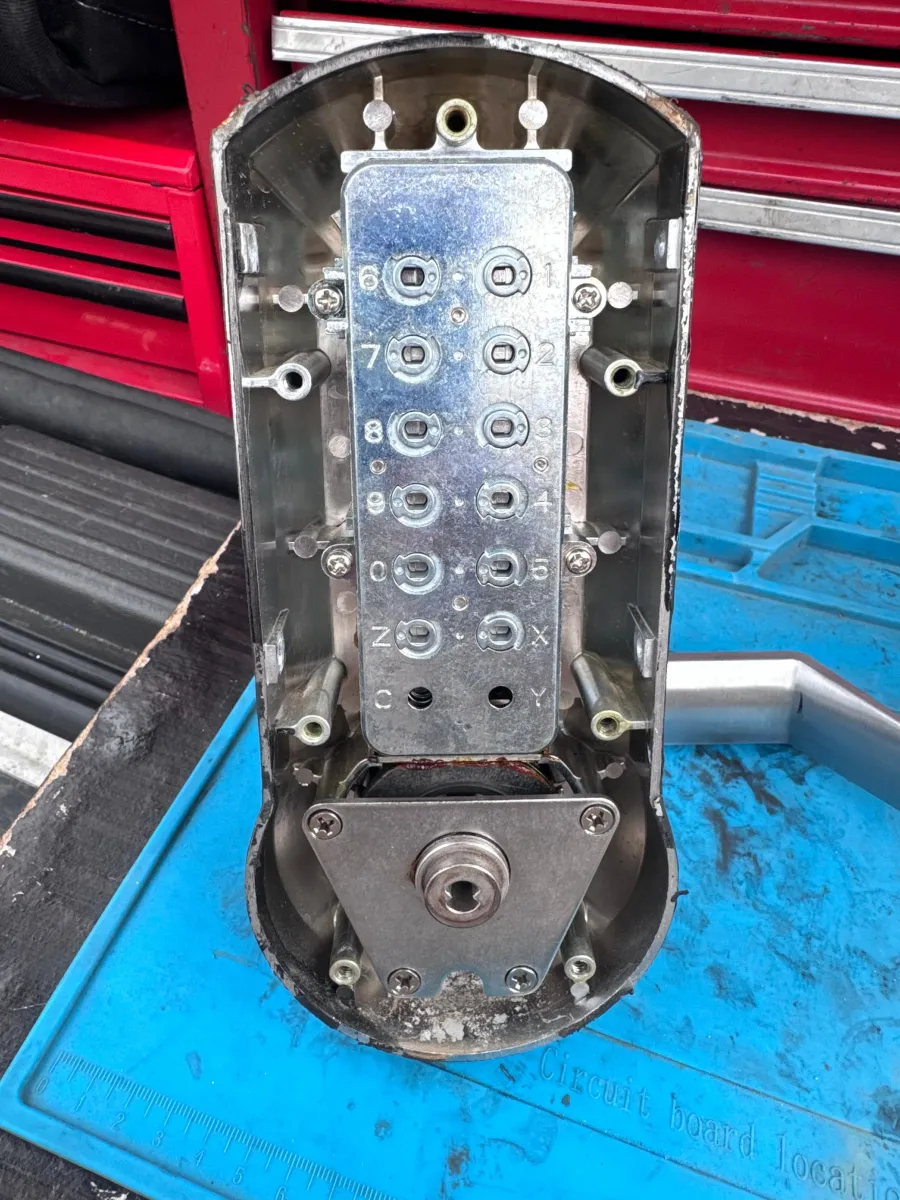
Commercial access control sits at the intersection of locksmithing, electrical work, and network administration. Card readers and door-strike integration require permitted electrical work in most Texas jurisdictions. The controllers communicate over a network to a central management system that needs software configuration. A system that is physically installed but not properly secured - with default admin passwords and an open network port - is worse than no system at all.
When DIY Actually Makes Sense
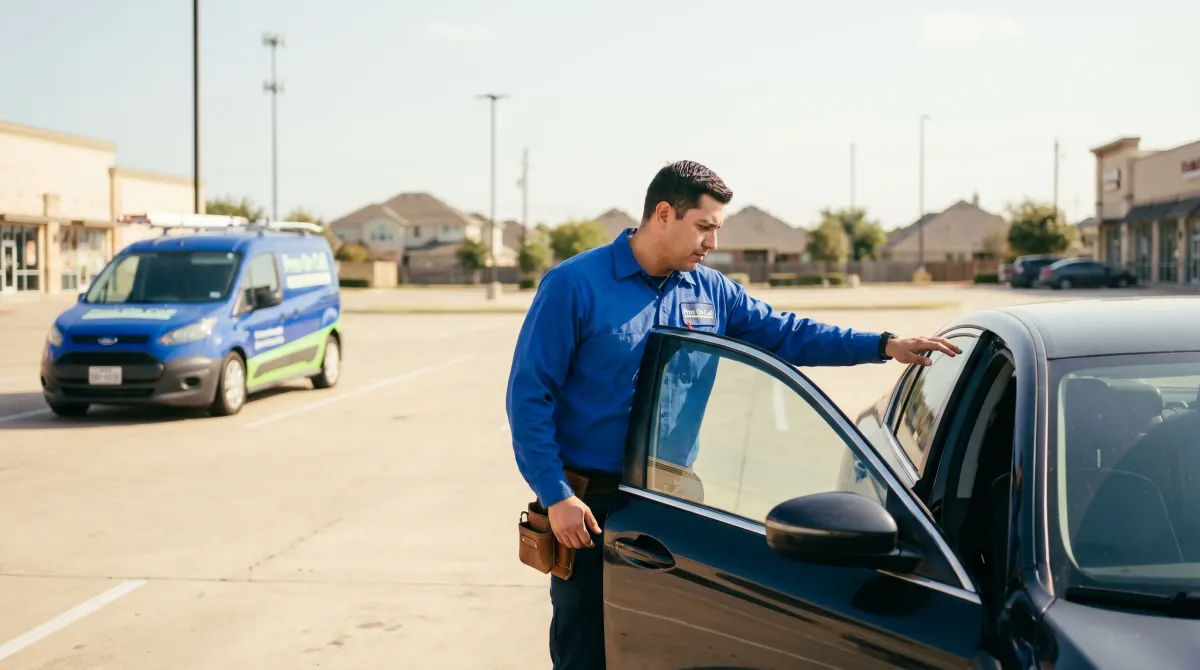
Not every lock task requires a professional. Swapping a cylinder within the same lock brand and product line is genuinely low-risk if the bore hole is already cut and the hardware fits. A standard deadbolt installation on a door with an existing bore hole is manageable for someone comfortable with basic home repair, provided they use the manufacturer's installation template and go slowly on strike plate alignment. Standard house keys on unrestricted keyways duplicate at any hardware store kiosk for a few dollars.
Outside of those cases, call a professional. Emergency lockouts combine time pressure, inadequate lighting, and missing tools in exactly the conditions that produce damage. Car key replacement is settled by equipment restrictions alone. Commercial lock work carries code compliance and liability exposure that makes experimentation expensive. Broken keys require a specific extraction tool - without it, every probe attempt pushes the fragment deeper.
The Full Cost Comparison
When you run the complete numbers - tools, time, failure risk, damage risk, and the probability of calling a professional anyway - DIY rekeying rarely comes out ahead:
- DIY lock rekey (typical first attempt): $85 in tools, 4 hours of time, a failure rate that runs high on first attempts, and a 10-20% chance of property damage. Best case: $285 and 4 hours. Average case: $435 and 6+ hours. Worst case: $785 and 8+ hours.
- Professional rekey: $100-$150, 30 minutes, 99.9% success rate, near-zero damage risk covered by insurance. Worst case: $150 and 1 hour.
- Net savings with professional: $160-$635 plus 3.5-7.5 hours of your time.

How to Choose the Right Locksmith in Texas
In Texas, the licensing process filters out unqualified operators. The Texas Department of Public Safety (DPS) Private Security Bureau requires background checks, proof of insurance, and passing exams before issuing a locksmith license. Spend 30 seconds verifying any locksmith's license is active at the Texas DPS licensing portal before hiring. A legitimate Texas operator knows their DPS license number the way a doctor knows their medical license number.
Texas also has scam operators who advertise low prices to win the call, then quote a dramatically higher number once they are standing at your door with your lock already open. Getting two or three quotes before an emergency protects you. When quotes cluster closely together, you are seeing the real market rate. When one quote comes in dramatically below the others, that is the bait-and-switch operator. Get any estimate in writing - a text message works - before anyone drives out.
Reviews that describe a specific situation ("locked out at midnight, arrived in 35 minutes, no damage to the door") tell you far more than generic five-star ratings. A pattern of pricing complaints or property damage reports across multiple reviews is a real warning, not noise. Aggressive pricing complaints - "the final price was three times the quote" - are worth taking seriously.
Pros On Call: Licensed Texas Locksmith Service
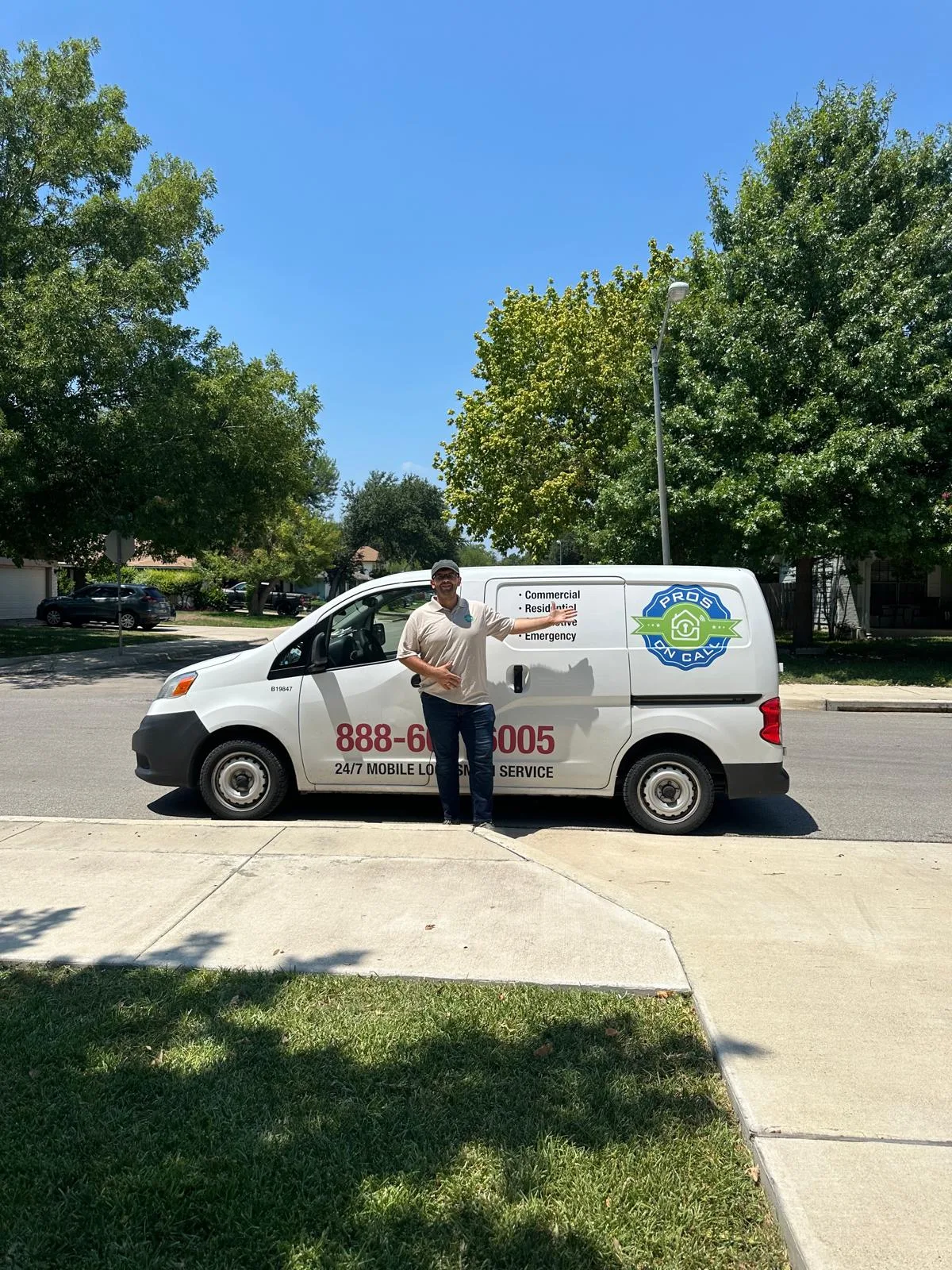
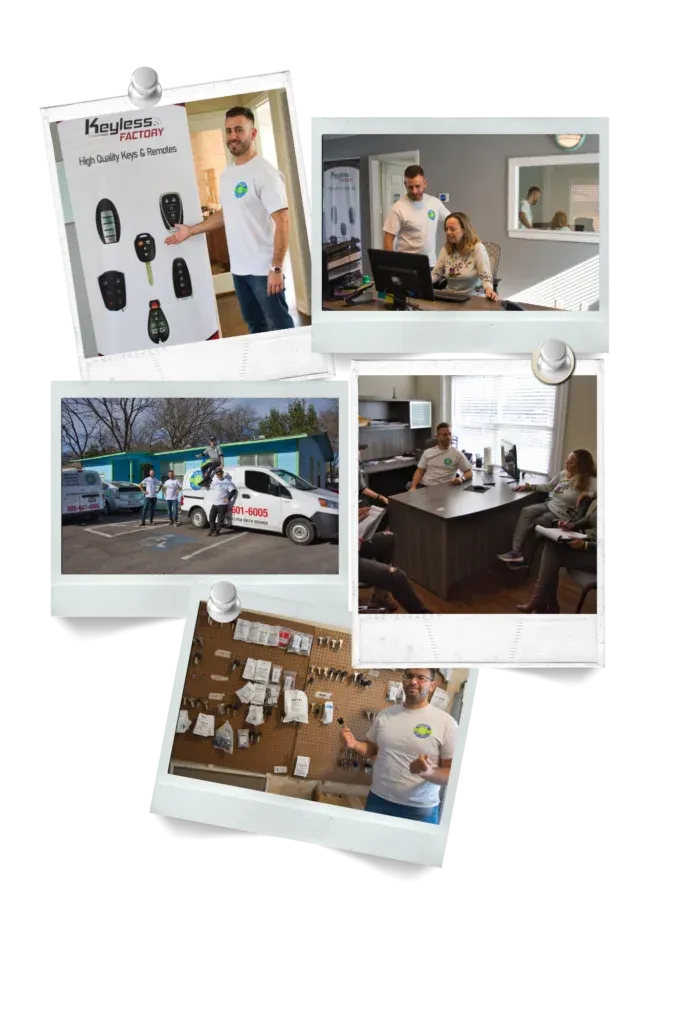
When you need a licensed locksmith anywhere in Texas, Pros On Call has been doing this work since 2010. Our technicians are background-checked, our license is verifiable at the Texas DPS licensing portal (License #B19847), and we carry full insurance and bonding on every job.
Our residential technicians handle everything from standard rekeying after a move to full smart lock integration. Our automotive team programs transponder keys on-site for domestic and import vehicles, without a tow to the dealership. Our commercial crew handles code-compliant installations, access control programming, master key system design, and panic hardware - by technicians who know Texas building code requirements.
Every job comes backed by our license, insurance, and warranty. If something is not right after we leave, we come back and fix it.
Call now: (888) 601-6005
We serve Austin, Houston, Dallas, San Antonio, McAllen, Fort Worth, and all major Texas cities. For emergency calls in Austin and the San Antonio metro, typical response times run 30-45 minutes from the moment you call. Same-day appointments available for non-emergency work.
Stop struggling with DIY. Get professional results the first time.
Pros On Call (24 Service LLC DBA Pros On Call) - Professional licensed locksmith service serving Texas since 2010. Texas License #B19847.
Content strategy and SEO by Optymizer