Living in a Texas apartment complex comes with security challenges that homeowners never face: shared walls, common entry points, ground-floor units, package theft, and limited say over exterior security. Apartment residents are more likely to experience burglary than single-family homeowners, and the gap widens on ground floors and in complexes with high turnover.
But you are not helpless. This guide covers 7 practical ways to maximize your apartment security in Texas, without violating your lease or losing your security deposit.
Why Apartment Security Matters in Texas
Texas renters deal with a specific mix of risks: rapid-growth cities mean dense complexes with lots of foot traffic, short lease cycles keep turnover high, and many properties still run builder-grade hardware installed a decade ago. The numbers are sobering regardless of which city you are in.
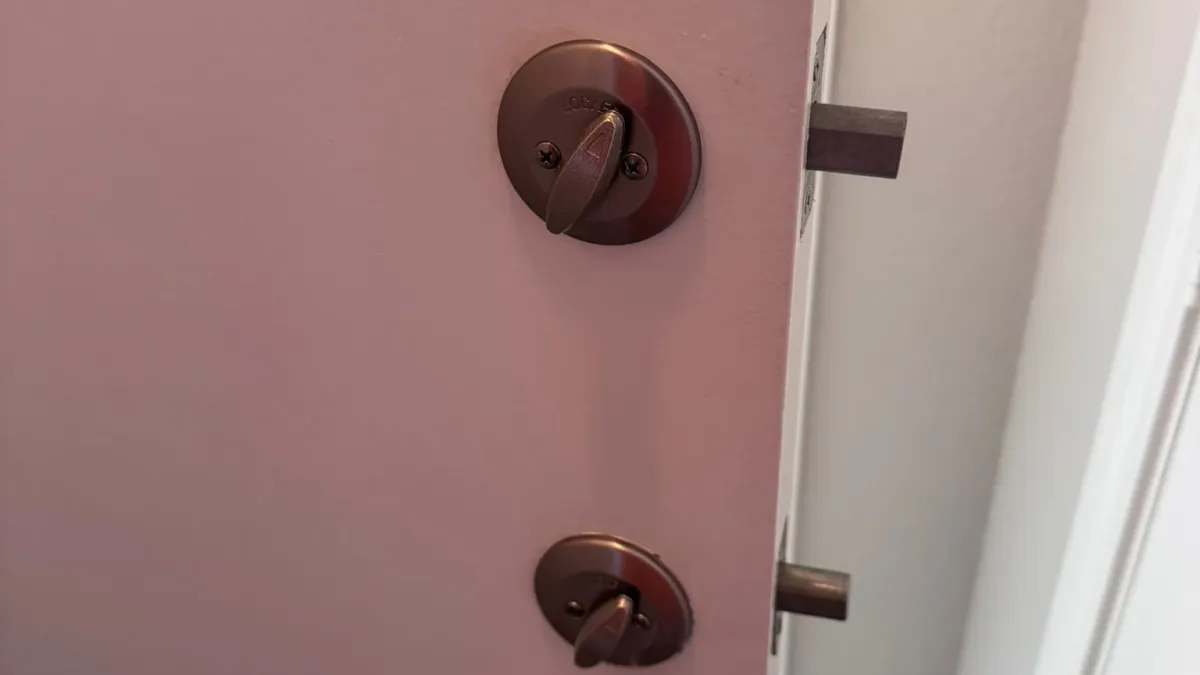
Every apartment has weak points that differ from a house. Sliding patio doors can be lifted off their tracks from outside. Builder-grade deadbolts flex under a hard kick. Windows on lower floors sit within easy reach. Shared access. Maintenance staff, delivery drivers, the previous tenant who kept a copy of the key. Creates exposure that a homeowner simply does not have. Knowing which vulnerabilities apply to your unit lets you prioritize where to spend your time and money.
Common Texas apartment vulnerabilities include:
- Weak door locks - Builder-grade deadbolts (Grade 3 security)
- Sliding patio doors - Easy to force open
- First-floor windows - Accessible from ground level
- Package delivery - Left unattended in common areas
- Shared access - Maintenance, delivery drivers have building access
- High turnover - New neighbors frequently, unknown backgrounds
Apartment residents are statistically more likely to experience burglary than single-family homeowners, and ground-floor units face the highest risk.
1. Upgrade Your Door Lock (Landlord-Friendly Options)
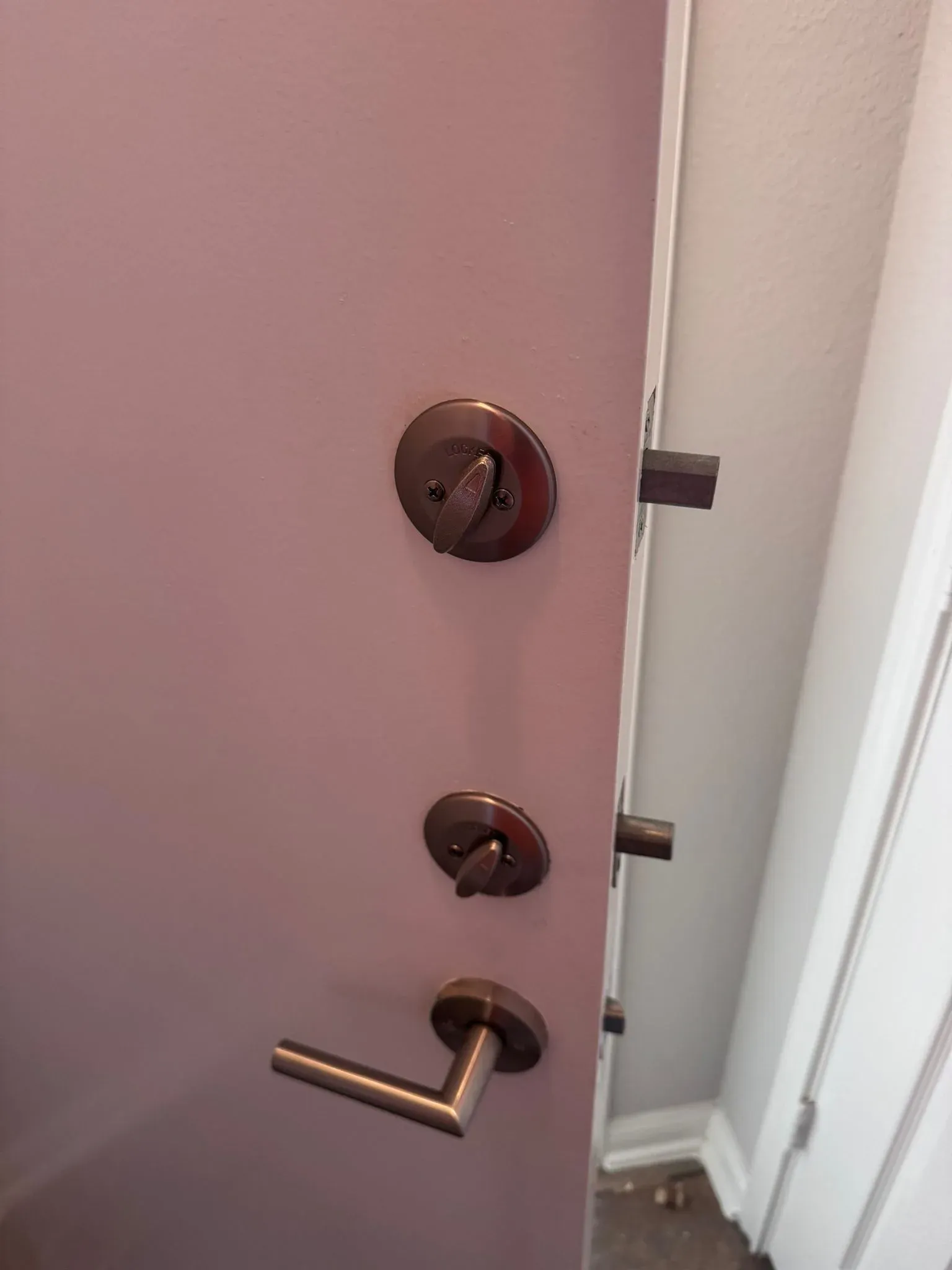
Most Texas apartments ship with Grade 3 deadbolts. The weakest hardware the building code allows. A determined intruder can kick one in with two or three hits. The good news is that Texas law gives renters real options here: you can request upgrades, install certain devices yourself, and in some cases replace hardware entirely with landlord permission. The right approach depends on how cooperative your property manager is.
Under Texas Property Code §92.153, the law sets a floor, not a ceiling. On what you can install:
- Landlords must provide functional deadbolt on exterior doors
- BUT tenants can request lock upgrades or rekeys
Option A: Request Lock Upgrade from Landlord
Asking in writing is the most important move you can make. A verbal conversation disappears; an email creates a paper trail that invokes your statutory rights and puts the landlord on notice. Cite the specific code section so the request looks informed rather than casual. Most property managers will at least agree to a rekey if they will not spring for a full hardware upgrade.
- Put request in writing - Email property manager citing Texas Property Code §92.157
- Offer to pay difference - If landlord provides Grade 3, offer to pay upgrade to Grade 2
- Request rekeying - Especially if apartment was not rekeyed between tenants
Sample email:
Subject: Lock Upgrade Request - Unit 123

Dear [Property Manager],

Per Texas Property Code §92.157, I'd like to request a security device upgrade for my unit. The current deadbolt is worn and I'd feel safer with a Grade 2 ANSI-rated deadbolt.

I'm happy to pay the difference in cost if there's an upgrade fee. Please let me know the next steps.

Thank you,
[Your name]
Expected cost: $0-$50 (landlord may pay, or charge small upgrade fee)
Option B: Install Temporary/Removable Lock (No Drilling)
When the landlord says no to hardware changes, portable devices fill the gap without touching the door frame. They are not as strong as a properly installed deadbolt, but they raise the difficulty of entry enough to push most opportunistic thieves toward an easier target. Keep the originals in a drawer so you can restore everything at move-out.
The Addalock Portable Door Lock ($20-$30) wedges into the existing strike plate on any inward-swinging door. No installation, no drilling. You slide it in when you are home and pocket it when you leave.
The Security Bar / Door Jammer ($15-$40) braces under the door handle and prevents the door from opening inward at all. It leaves no marks and removes completely when you go out.
The Chain Lock or Flip Latch ($8-$20) requires two small screw holes, which fill easily with spackle at move-out. Use it as a secondary lock when you are home. It stops a door from swinging fully open even if someone has a key.
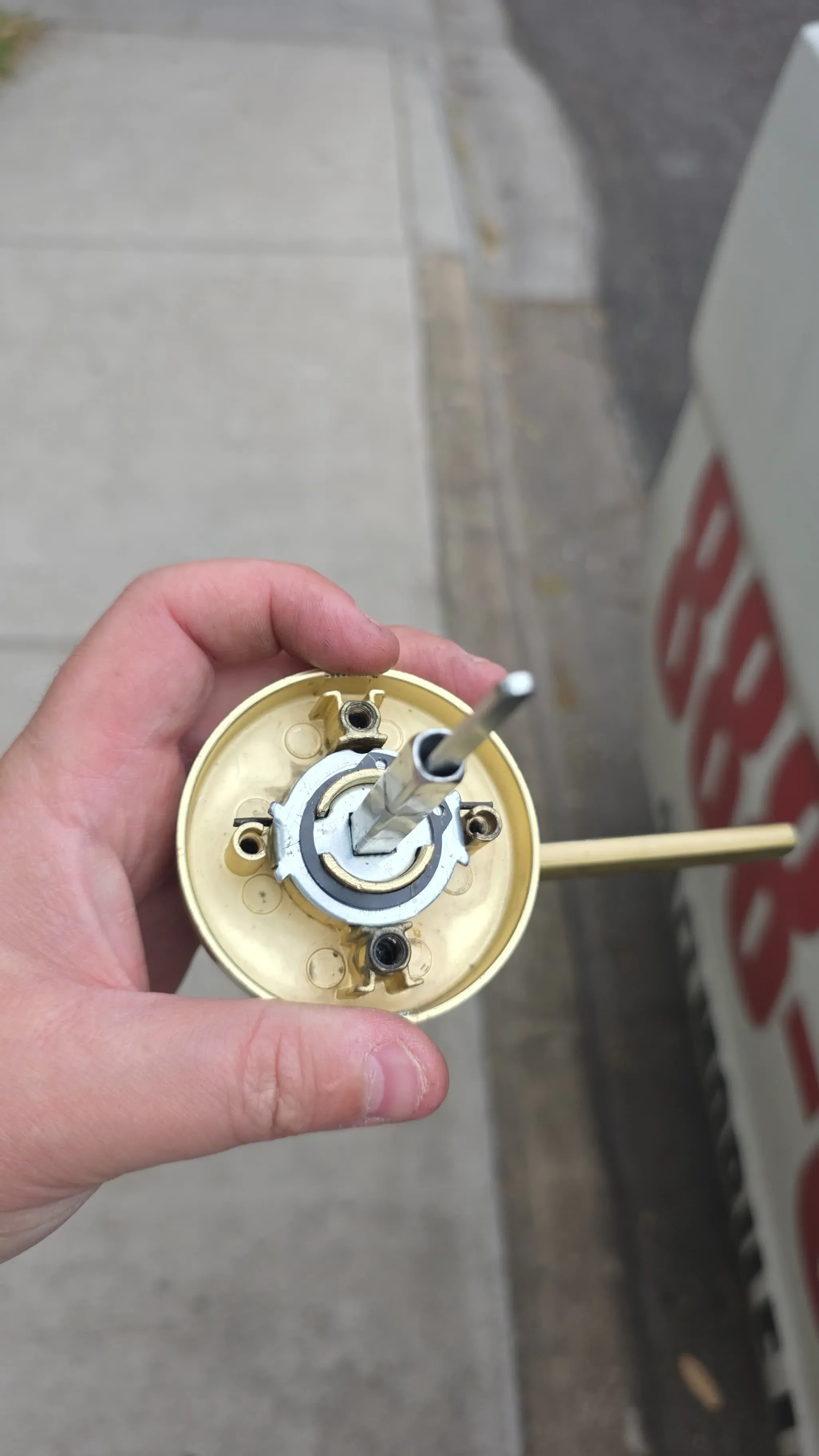
Option C: Add Kwikset SmartKey Deadbolt (With Permission)
If the landlord will agree to a permanent swap, the Kwikset SmartKey line is the cleanest solution for renters. You get a genuine Grade 2 deadbolt. Two full grades above builder-grade hardware. Without sacrificing the landlord's ability to access the unit. When you move out, pull the SmartKey and reinstall the original.
- Kwikset SmartKey deadbolt ($35-$50)
- Rekey in 30 seconds (landlord can get key if needed)
- Grade 2 security (much stronger than builder-grade)
- Restore original lock when you move out
Getting permission is a short conversation with the right framing. Offer to provide a key immediately, agree in writing to restore the original at move-out, and keep that original in a labeled bag so you actually can.
GETTING PERMISSION FOR A SMARTKEY SWAP
Ask property manager in writing
Offer to provide landlord with key or rekey code
Agree to restore original lock at move-out
Keep original lock to reinstall later
2. Secure Your Sliding Patio Door (The Weakest Point)
Sliding patio doors are the most common entry point for apartment break-ins across Texas. They are designed for convenience, not security: the standard latch is a flimsy hook that pops open with the right pressure, and even a properly latched door can be lifted straight off its track from the outside. Ground-floor units face the most exposure, but any patio that is not visible to neighbors or cameras is worth hardening.
The good news is that three-layer protection costs under $70 and installs in an afternoon without any special tools.
Security Upgrades for Sliding Doors
Level 1: Security Bar ($10-$25) is the foundation. Drop a cut-to-fit wooden dowel or an adjustable metal bar into the lower track, and the door simply cannot slide open. No key, no tool needed to operate it from inside, and no way to defeat it from outside without breaking the glass. For extra protection, drill two small holes in the upper track and drop in screws; this prevents the door from being lifted off the track even if the bar is somehow removed.
Level 2: Patio Door Lock ($15-$40) adds a keyed layer on top of the bar. Options include a sliding door loop lock mounted on the door frame, a metal pin that drops into a hole drilled in the track, or a foot-operated lever lock. Any of these makes an already-resistant door substantially harder to breach quickly.
Level 3: Door Sensor + Alarm ($25-$60) covers the scenario where someone manages to get the door open anyway. A wireless sensor from Ring, SimpliSafe, or Wyze triggers a loud alarm and sends a phone notification the moment the door moves. Useful whether you are home or away.
The best combination for a Texas ground-floor apartment: security bar + pin lock + door sensor for around $65 total. It prevents forced entry and alerts you if anything moves.
3. Install Window Locks and Sensors
Standard apartment window latches are designed to pass a building inspection, not stop a determined intruder. They flex, they rattle, and many of them can be defeated in seconds with a credit card or a flathead screwdriver. Ground-floor windows are the most obvious target, but second-floor units on a balcony or near a tree are also worth addressing.
The fix for most window types is inexpensive and reversible. You will not need to call the landlord for any of these.
Window Security Solutions
For Sliding Windows: a sliding window lock ($8-$15 per window) works on the same principle as the patio door pin. Drill a small hole through the inner frame into the outer frame and drop in a removable pin. The window stays locked in both the closed and partially-open positions.
For Double-Hung Windows: a sash lock ($10-$20 per window) adds a keyed secondary latch above the standard hardware. It removes cleanly and leaves only the screw holes, which a dab of spackle covers at move-out.
Window Security Film ($30-$80 per window): this clear film bonds to the interior glass surface and holds the pane together if it is struck hard. It does not prevent breaking, but it dramatically slows a smash-and-grab entry. The film peels off without damaging the glass, making it fully landlord-friendly.
Window Sensors ($20-$40 for 4-pack): adhesive-mount wireless sensors require no drilling and pair with Ring, SimpliSafe, or Wyze. Any window that opens triggers an immediate phone alert.
For a Texas ground-floor apartment, start with window locks on all accessible windows ($40-$80) and sensors on the bedroom windows ($30) for a total of roughly $70-$110.
4. Use Smart Security Devices (No Installation Required)
Smart security hardware is built for renters. Everything runs on battery or USB power, mounts with adhesive or simple hardware, and packs into two boxes when you move. The whole category exists precisely because millions of people cannot drill into walls or run wire through a rental unit.
There are real financial benefits too. Some Texas insurers offer a discount on renter's insurance for verified alarm systems. Worth asking your provider about before you buy.
Recommended Smart Security Devices for Apartments
1. Video Doorbell ($50-$200) is the single highest-impact device for most renters. It records everyone who approaches your door, provides live video on your phone before you decide whether to open, and creates evidence if a package is stolen or someone tries to tamper with the lock.
Best options for apartments:
- Ring Video Doorbell (Battery) - $100, no wiring needed
- Blink Video Doorbell - $50, budget option
- Nest Doorbell (Battery) - $180, best video quality
Battery-powered models stick to door or wall with no wiring. Check your lease. Most battery doorbells require no landlord permission because they are fully removable.
2. Indoor Security Camera ($30-$100) covers what happens after someone gets inside. Place one in the living room with a view of the front door and one covering the patio door if you are on the ground floor. Avoid pointing cameras at windows. You will capture your neighbors' movements, which creates privacy issues.
Best for apartments:
- Wyze Cam v3 - $35, excellent budget option
- Ring Indoor Cam - $60, integrates with Ring doorbell
- Blink Mini - $35, affordable, no subscription
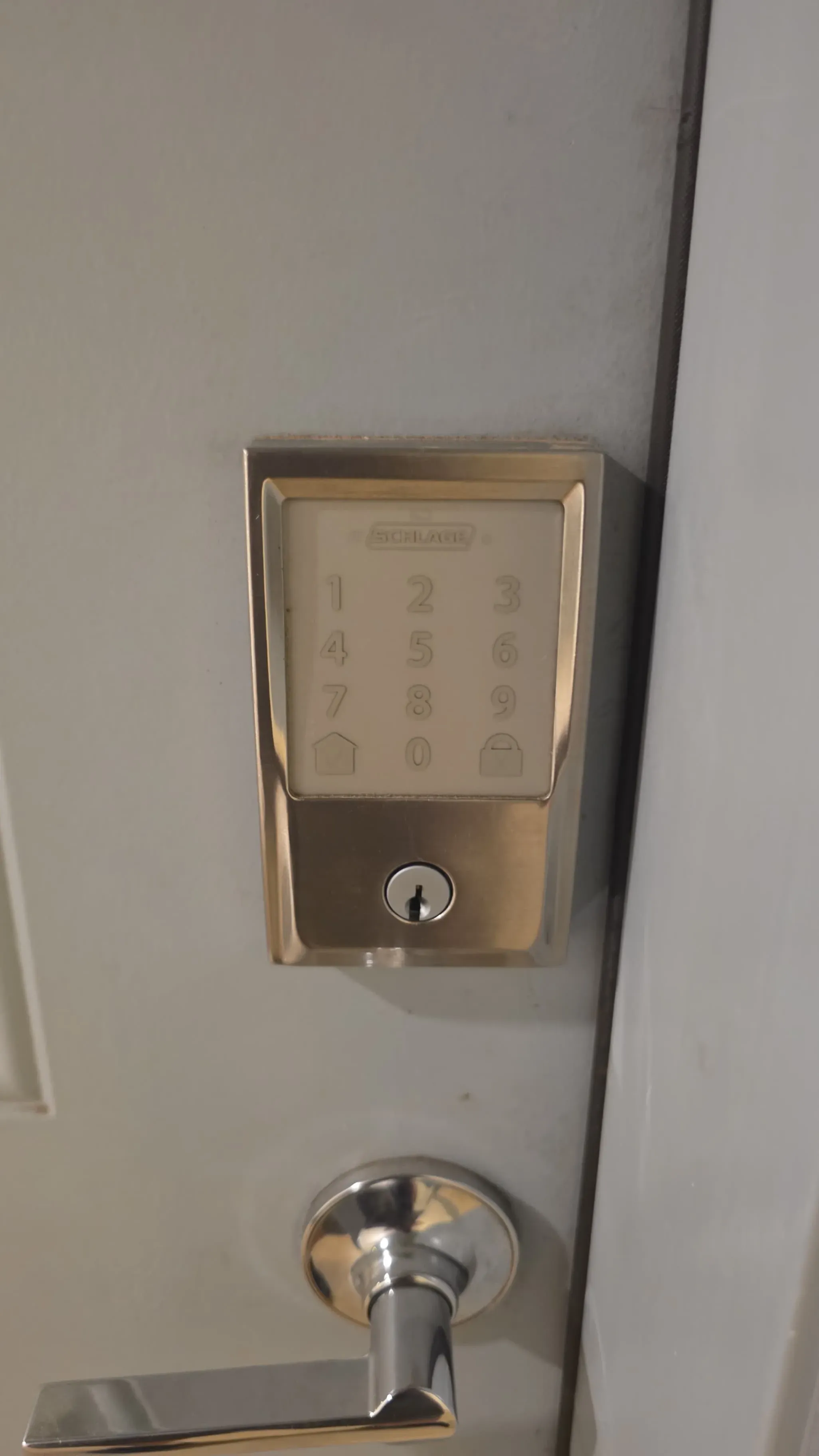
3. Smart Lock ($150-$250) (with landlord permission) replaces the thumb-turn on your existing deadbolt without touching the exterior keyhole. From outside, the door looks identical to the day you moved in. From inside, you control it from your phone, set auto-lock timers, grant temporary access codes to guests or cleaners, and review a full activity log.
Best options for renters:
- August Smart Lock - $180-$250, installs over existing deadbolt
- Wyze Lock - $90, budget-friendly
- Kwikset Halo - $200, built-in WiFi
The August is the top pick for renters specifically because it installs on the inside of the door with no visible changes outside. Remove it at move-out and restore the original thumb-turn in about ten minutes.
4. Smart Alarm System ($200-$400) ties everything together. A full system ships with door and window sensors, a motion detector, a base station, and a keypad. Professional monitoring is optional on the leading brands. You can run them entirely self-monitored if you prefer.
Best for Texas apartments:
- SimpliSafe - $245-$529, no contract, easy setup
- Ring Alarm - $199-$329, works with Ring doorbell
- Abode - $329-$599, Apple HomeKit compatible
Monthly monitoring costs $18-$30 depending on the provider. Total first-year cost, including equipment, runs $400-$730 for a full setup.
5. Prevent Package Theft
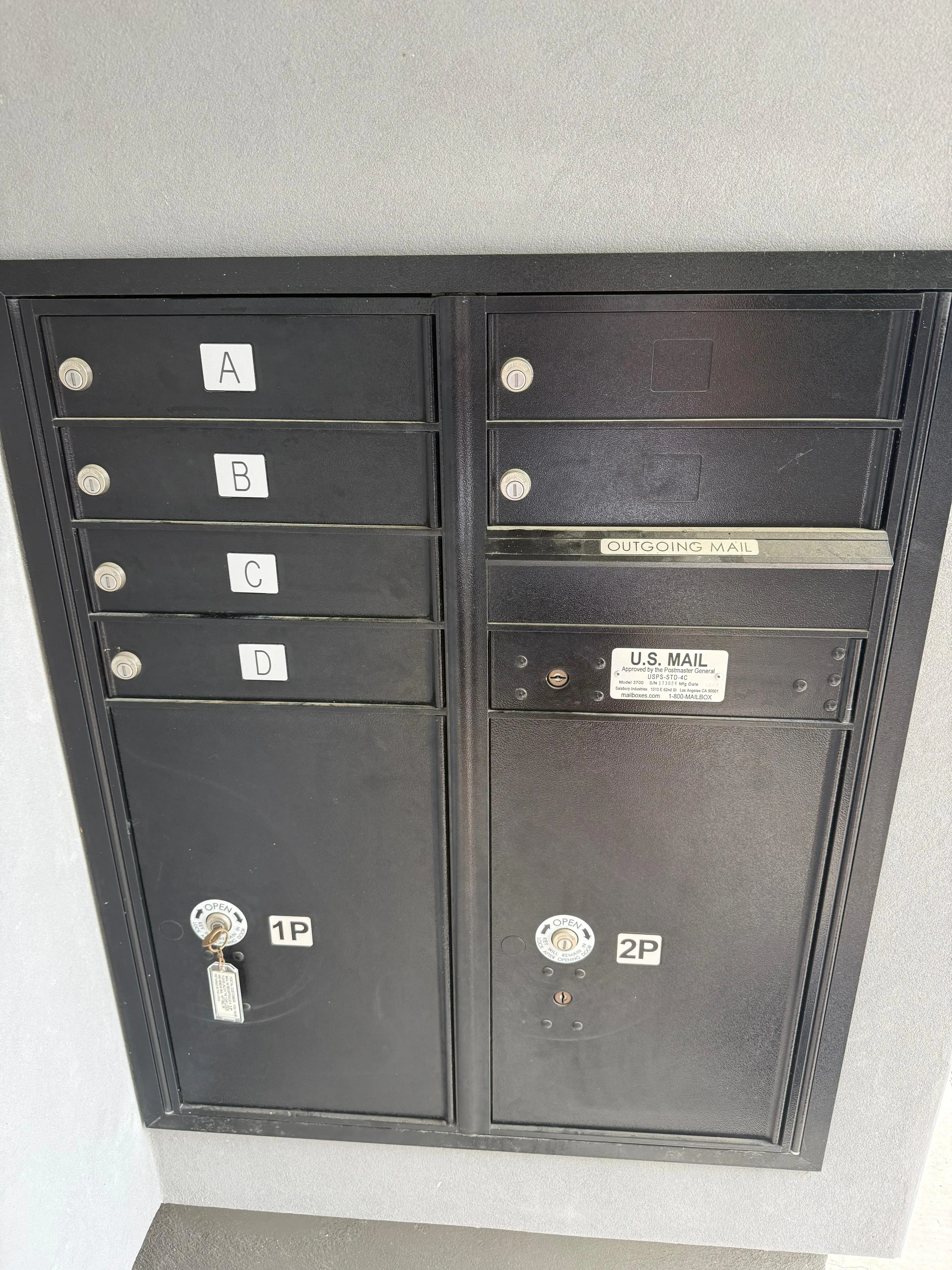
Package theft hits Texas apartment residents hard, particularly from November through January. The problem is structural: high-density buildings generate dozens of deliveries a day into shared lobbies, and a stolen box is nearly impossible to trace. Prevention beats recovery every time, and most of the best fixes cost nothing.
Package Theft Prevention Strategies
Option 1: Amazon Locker or Hub ($0) eliminates doorstep risk entirely. Free pickup locations sit inside grocery stores, 7-Eleven, and Whole Foods. Packages wait safely until you pick them up, with no opportunity for theft between drop-off and retrieval.
Option 2: Require Signature ($0-$5) ensures a human handoff. UPS, FedEx, and USPS all support this option, and some shippers include it at no charge. The trade-off is that you have to be available, but for high-value items, the extra coordination is worth it.
Option 3: Smart Lock with Delivery Access ($0 setup) works if you already have a compatible smart lock. Amazon Key In-Garage Delivery lets a driver place packages inside your garage; for apartment renters without a garage, some smart lock systems issue a single-use access code so drivers can leave packages just inside the front door.
Option 4: Ring Doorbell with Package Alerts ($100) does not stop theft but creates a fast notification so you can retrieve the package before it disappears. The video record also supports a shipper insurance claim if something goes missing.
Option 5: Request "Deliver to Leasing Office" ($0) is the simplest fix at most Texas apartment complexes. Most offices hold packages during business hours, and the package never sits unattended in a hallway.
The best combination: Amazon Locker for small packages, office delivery for large ones, and a Ring doorbell to monitor anything that lands at your door anyway.
6. Build Relationships with Neighbors (Free Security)
Your neighbors are the most underused security asset in any apartment building. A community that talks to each other notices unfamiliar faces, watches for propped doors, keeps an eye on packages, and calls the office or police when something looks wrong. No camera system replaces that.
Texas apartments with engaged resident communities see meaningfully fewer break-ins than comparable complexes where nobody knows their neighbors. The investment is a few conversations and a shared phone number.
How to Build Apartment Community Security
Start with the four units closest to yours. Left, right, above, below. A brief introduction and an exchanged phone number is enough to create a loose watch network. From there, a WhatsApp group or a building Facebook group gives everyone a channel to share concerns quickly.
BUILDING A LOOSE WATCH NETWORK
Introduce yourself to immediate neighbors
Left, right, above, below units; exchange phone numbers and ask them to flag anything unusual.
Join or create a neighborhood watch
Check for an existing resident group, or start a WhatsApp thread for your floor.
Coordinate on coverage
Stagger vacation times when possible so someone is always nearby, and agree in advance to call the front office or police if someone appears to be forcing entry.
Report concerns to management
Broken exterior lights, failed gate hardware, suspicious vehicles that stay parked for days, and people propping exterior doors all warrant a written note to the leasing office.
Strong neighbor relationships are one of the most effective apartment security tools available, and the only one that works when the cameras are off.
7. Practice Good Security Habits
Equipment matters, but habits determine whether that equipment actually protects you. A Grade 2 deadbolt only helps if you lock it every time. A video doorbell only deters theft if you retrieve packages before the end of the day. The routines below are low-effort and high-return.
When Leaving Apartment
Run through these steps every time you walk out the door. It takes about 30 seconds and closes the gaps that most break-ins exploit.
Daily. These five steps take under a minute:
DAILY: BEFORE YOU WALK OUT THE DOOR
Lock deadbolt
Not just doorknob.
Close and lock all windows
Lock sliding patio door + security bar
Don't leave valuables visible from windows
Turn on radio or TV
Simulates occupancy.
When away for days or weeks: tell a neighbor, pause your mail, and avoid announcing the trip on social media. A car that stays in your usual spot (borrow a friend's or use rideshare) makes it harder for someone watching the building to clock when a unit is empty.
- Ask neighbor or friend to collect packages
- Use smart lights on timers (simulate occupancy)
- Don't post vacation on social media (tells burglars you're gone)
- Park car in usual spot (borrow friend's car or Uber)
- Notify leasing office you'll be away
When Home
At night, a locked deadbolt and an engaged chain or security bar should be your baseline. If someone knocks and you are not expecting anyone, treat the peephole or video doorbell as mandatory before you touch the handle. The two lists below cover the evening routine and the door-answer protocol separately.
At night. Lock up and limit your visibility:
- Lock deadbolt + engage chain lock or security bar
- Close blinds/curtains (prevent visibility)
- Keep phone charged and nearby
- Know escape routes (in case of fire or intruder)
When someone comes to the door unexpectedly, these four steps keep you in control of the interaction.
When answering the door. These four steps protect you before you turn the handle:
WHEN ANSWERING THE DOOR
Use peephole or video doorbell first
Never open blindly.
Ask for ID if maintenance/delivery
Verify through door.
Don't open door to strangers
Ask them to return during day.
Call 911 if someone tries to force entry
General Apartment Safety
Social media is a bigger security liability than most renters realize. A post about a weekend trip tells anyone watching your feed exactly when the unit will be empty and for how long. Post after you return, not before you leave. The four rules below are the ones that matter most.
Social media safety. Four rules that cost nothing to follow:
- Don't post "I'm away for the weekend!"
- Don't tag location in real-time
- Don't post photos showing expensive items
- Post AFTER you return from trips
Key management is simpler than most people make it. The only spare key that matters is the one a trusted person outside your building holds, not the one under the mat. Three rules cover it.
Key security. Three rules that close the most common key vulnerability:
- Don't hide spare key under mat or plant
- Don't give key to maintenance without verifying identity
- Give spare key to trusted friend (not in apartment)
Parking safety: park in well-lit areas near cameras, lock the car, and do not leave anything visible on the seat. A steering wheel club or car alarm adds another layer of deterrence at low cost.
Apartment Security Checklist
Use this checklist to audit your apartment security. Work through it category by category. Each item you can check off today reduces your exposure right now.
Door Security
Your front door is the primary target. Check all four items here first.
- Deadbolt is Grade 2 or higher (or requested upgrade)
- Chain lock or security bar installed
- Video doorbell or peephole works
- Strike plate has 3" screws (or requested upgrade)
Window Security
Ground-floor and balcony windows are the most common secondary entry points.
- All accessible windows have locks
- Ground-floor windows have sensors
- Blinds/curtains close completely
Sliding Patio Door (if applicable)
Three layers here are better than one. Each one stops a different attack method.
- Security bar in track
- Pin lock installed
- Door sensor installed
Smart Security
Smart devices let you monitor and respond whether you are home or away.
- Video doorbell installed
- At least 1 indoor camera
- Smart lock OR alarm system (optional but recommended)
Package Security
Package theft is the most frequent property crime in Texas apartment complexes.
- Using Amazon Locker or office delivery
- Ring doorbell monitors packages
- Neighbor watches packages when away
Habits
Hardware only works if you use it consistently. These three habits matter most.
- Lock deadbolt every time you leave
- Check peephole before opening door
- Know emergency contacts (police, leasing office, neighbor)
Count your checked boxes and score yourself below.
Score. Here is how to read your total:
- 15+ checked: Excellent security
- 10-14 checked: Good security
- 5-9 checked: Fair security (improvements recommended)
- 0-4 checked: Poor security (high risk)
What If My Landlord Refuses Security Upgrades?
Texas renters have more legal standing than most realize. The Property Code sets minimum requirements, gives you a clear timeline, and backs you with real remedies if the landlord stalls or ignores a written request. The process is straightforward: write first, wait the required period, then act.
Texas Property Code §92.158 requires landlords to repair broken security devices within 7 days of written notice.
Here is how to use that right:
- Request in writing - Email or certified letter
- Allow 7 days for repair - Count from date of written notice
- If not repaired, you can:
- Repair and deduct - Hire locksmith, deduct from rent (§92.0563)
- Terminate lease - Move out with 30 days notice (§92.164)
- Sue for damages - Civil court ($500 + 1 month rent)
These remedies apply when existing security devices are broken. A deadbolt that no longer functions, a patio door latch that does not engage, a window that will not lock. They do not apply to upgrade requests (Grade 1 instead of Grade 2) or optional features (smart locks) that the code does not require.
These are the three situations that clearly qualify for a formal repair demand:
- Deadbolt is broken and landlord won't fix
- Sliding door lock is broken
- Windows don't lock
Cost Summary: Securing Your Texas Apartment
The range below covers three real approaches, from minimum viable protection to a full layered system. Pick the tier that fits your risk profile and budget, then add from there.
Budget Option (Under $100)
Physical hardware only. No cameras, no subscriptions, no contracts.
- Security bar for patio door: $15
- Window locks (4 windows): $40
- Door security bar: $20
- Total: $75
Standard Option ($200-$400)
Physical hardware plus a video doorbell and basic alarm coverage.
- Ring Video Doorbell: $100
- SimpliSafe 5-piece alarm: $245
- Window locks: $40
- Patio door security: $35
- Total: $420
Premium Option ($600-$1,000)
Full layered system: smart lock, cameras, multi-sensor alarm, and hardened windows and patio.
- Ring Video Doorbell: $100
- August Smart Lock: $230
- SimpliSafe 10-piece alarm: $329
- Indoor cameras (2): $120
- Window locks + sensors: $100
- Patio door security: $60
- Total: $939
Preventing one burglary at the average loss of $2,500 pays for the premium setup more than twice over.
Need Help Securing Your Texas Apartment?
Pros On Call (License #B19847) provides apartment security services across Texas, and we work with property managers regularly. If you need a landlord's permission letter, key copies provided to management, or a guarantee that we will restore the original hardware at move-out, we handle all of it.
We handle the full range of apartment security upgrades. From a simple rekeying to a smart lock swap with key handoff to management:
- Lock upgrades (with landlord permission)
- Deadbolt installation
- Smart lock installation (August, Kwikset, Yale)
- Window lock installation
- Security consultations
Most apartment jobs are quick. Here are typical project costs:
- Install Grade 2 deadbolt to replace builder-grade lock ($100-$150)
- Install August Smart Lock over existing deadbolt ($250-$300)
- Add security bar + pin lock to patio door ($50-$80)
Service areas: Austin, San Antonio, Houston, Dallas, Fort Worth, El Paso, Arlington, Corpus Christi, Plano, and all major Texas metro areas, including McAllen and the Rio Grande Valley.
Call us at (888) 601-6005 for an apartment security consultation anywhere in Texas.
Last updated: December 2025 | Based on Texas Property Code Chapter 92 and FBI burglary statistics. GSC data: 3 clicks and 4,836 impressions over 16 months. Content strategy and SEO by Optymizer.