
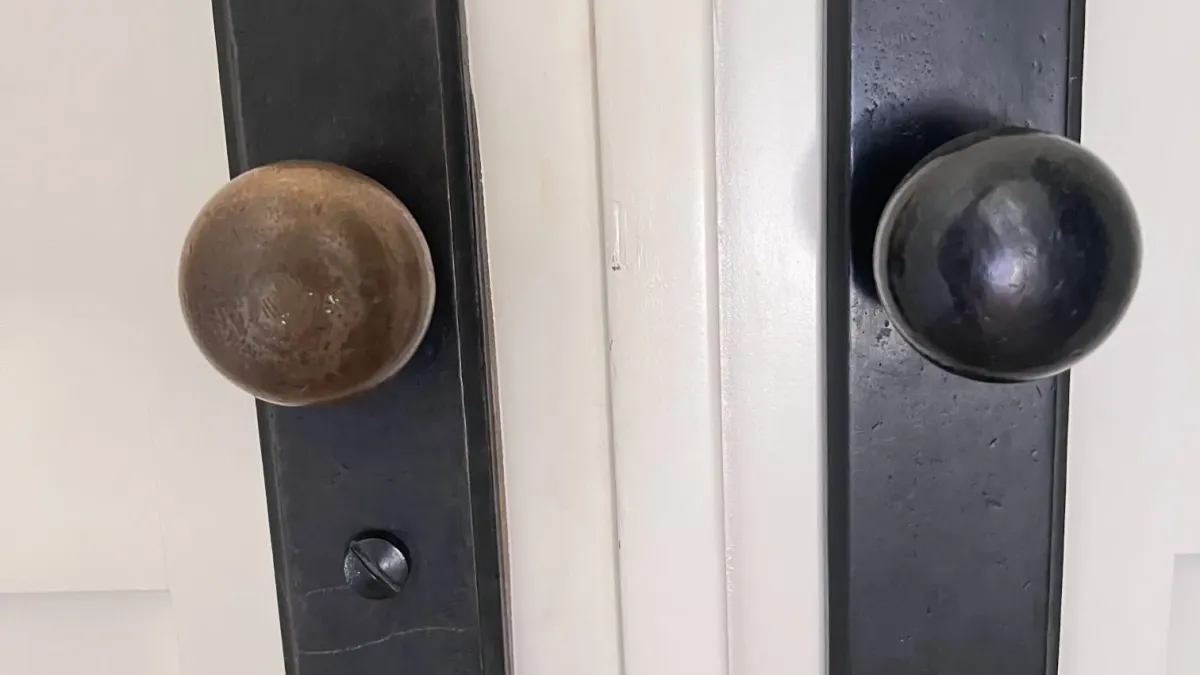
Your home's security starts at the door, and a standard doorknob lock is not enough to stop determined burglars. Deadbolts are the single most important lock for home security because they cannot be forced open with credit cards, jimmying, or simple manipulation techniques that defeat spring-latch locks.
In Texas, where property crime rates vary dramatically by metro area (Houston averages 3,200+ burglaries per 100,000 residents while some suburbs see rates below 500), the right deadbolt can mean the difference between a secure home and an easy target.
This guide explains exactly why deadbolts matter, how they work, which types provide the best protection, and how to choose and install deadbolts that actually prevent break-ins in Texas homes.
Need a professional deadbolt installation or upgrade? Call Pros On Call 24/7 at (888) 601-6005 for licensed locksmith service across all major Texas metros. License #B19847.
How Burglars Bypass Standard Door Locks (And Why Deadbolts Stop Them)
Most homeowners assume a locked doorknob is enough. It is not. A standard spring-latch works by retracting when you turn the knob and springing back when you release it, which sounds secure until you realize that angled latch face is exactly what lets a burglar slide a credit card against it and push it right back into the door. The whole mechanism was designed for convenience, not resistance.
The three fastest bypass methods all exploit the same weakness: the bolt is spring-loaded, angled, and only extends about half an inch into the frame. Sliding a card between door and frame takes roughly ten seconds. Jimmying with a flat screwdriver takes thirty. If someone uses a small pry bar to spread the frame even an eighth of an inch, the latch clears the strike plate entirely with no noise and no visible damage from the street.
Deadbolts eliminate every one of those attacks. There is no spring to push back, so a card does nothing. The bolt extends a full inch into the frame (sometimes an inch and a half on Grade 1 models), so frame spreading fails. The bolt itself is hardened steel with a flat face rather than an angled one, which means there is nothing to wedge or slip past. A burglar who can defeat a spring-latch in thirty seconds would need specialized tools and real skill to beat a properly installed Grade 1 deadbolt, and even then it takes five to fifteen minutes. Most burglars move to an easier house.
| Attack Method | Spring-Latch Lock | Deadbolt |
|---|---|---|
| Credit card slip | Works in 10 sec | Impossible (no bevel) |
| Jimmying | Works in 30 sec | Impossible (no spring) |
| Frame spreading | Works in 1-2 min | Fails (1" throw) |
| Drilling | Moderate resistance | High resistance (hardened pins) |
| Bumping | Easy | Difficult (with security pins) |
| Picking | Easy | Moderate to difficult |
The 4 Types of Deadbolts (And Which One You Need)
Choosing the right deadbolt type matters as much as choosing the right grade. The four main types each solve a different door situation, and using the wrong one leaves a gap even a high-quality lock cannot cover.
1. Single-Cylinder Deadbolt (Most Common)
A single-cylinder deadbolt has a keyed cylinder on the outside and a thumb-turn on the inside. It is the standard for good reason: quick to operate from inside, meets residential fire code egress requirements, and works on any solid door that does not have glass within 40 inches of the lock. Cost runs $25-$150 depending on grade.
The one vulnerability worth knowing: if glass panels sit close to the deadbolt, a burglar can break the glass, reach through, and turn the thumb-turn. On doors with no glass, this is a non-issue.
2. Double-Cylinder Deadbolt (Maximum Security for Glass Doors)
Double-cylinder deadbolts require a key on both sides, which removes the reach-through vulnerability entirely. They are the right choice for doors with decorative glass, sidelights, or any situation where someone could break a pane and access the thumb-turn. They also work well for basement or garage entry doors.
The tradeoff is real: slower exit in an emergency. Texas fire code does not prohibit them at the state level, but some cities restrict their use on primary exit doors, and any installation should keep a key mounted nearby (out of reach through glass) for emergency egress. Check local ordinances before installing on your main entry door.
3. Keyless Deadbolt (Smart Locks)
Electronic deadbolts controlled by keypad, fingerprint, or smartphone give you capabilities a keyed lock cannot: temporary codes for contractors or house cleaners, entry logs, auto-lock after 30 seconds, and remote locking from anywhere with a WiFi connection. They cost more ($150-$400) and run on batteries, so keeping spares on hand matters.
The Texas-specific concern is heat. In 100-degree summers, electronics on south-facing doors can fail from direct sun exposure. Choose models rated for operating temperatures of at least 150 degrees Fahrenheit. The Schlage Encode, Yale Assure Lock SL, and Kwikset SmartCode 916 all carry ratings that hold up to Texas conditions.
4. Captive Deadbolt (French Doors and Double Entries)
French doors are common in Texas homes, especially for patio access, and the center-post latch they typically ship with is barely a deterrent. A captive deadbolt controls bolts on both doors from a single key, extending into the door frame from both sides simultaneously. No center post is required, and the security improvement over a standard center latch is substantial.
Deadbolt Grades: The Security Standard That Matters Most
The American National Standards Institute and the Builders Hardware Manufacturers Association test and grade deadbolts on a scale of 1 to 3. Grade is not a marketing label - it comes from standardized physical testing that determines exactly how much force, cycling, and attack the lock can survive.
Grade 1: Commercial/Maximum Security ($55-$300)
Grade 1 is the highest certification. Tested locks must withstand ten strikes of 75 foot-pounds of impact force, survive 250,000 or more lock/unlock cycles, resist ten simulated kick-ins, and pass drill and pick resistance protocols. Lifespan runs 25 years or more with basic maintenance.
Grade 1 makes sense when the stakes are higher: high-crime neighborhoods, expensive properties, homes with prior break-in history, or rural properties where police response times are long. Top options include the Medeco Maxum ($200-$300), the Mul-T-Lock Cronus ($180-$250), the Schlage B660 series ($100-$180), the Schlage B60N ($60-$80), and the Kwikset 980 SmartKey ($55-$75).
Grade 2: Residential/Standard Security ($30-$150)
Grade 2 covers the large middle of residential use. Testing requires five strikes of 75 foot-pounds of impact force, 150,000 or more cycles, five kick-in resistance strikes, and basic drill and pick resistance. Lifespan is typically 15-20 years. For average-crime neighborhoods, multi-family housing, and interior security doors, Grade 2 is the right call. The Yale B1L ($30-$45) is a solid option widely available in Texas.
Grade 3: Basic/Light Use Only ($20-$50)
Grade 3 is acceptable for bedroom privacy locks, interior closets, or utility rooms. It is not acceptable on any exterior entry door. Two strikes of 75 foot-pounds of impact force is all the testing requires, and a determined burglar can defeat one with two or three strong kicks.
Texas Crime Data: Which Grade Do You Need?
Your neighborhood's burglary rate is the most direct input to this decision. The table below uses FBI Uniform Crime Reporting and Texas Department of Public Safety data from 2023-2024.
| Metro Area | Burglary Rate (per 100K) | Recommended Minimum Grade |
|---|---|---|
| Houston | 3,200+ | Grade 1 (high crime) |
| Dallas | 2,800+ | Grade 1 (high crime) |
| San Antonio | 2,400+ | Grade 1 or 2 |
| Austin | 2,100+ | Grade 2 |
| Fort Worth | 2,000+ | Grade 2 |
| El Paso | 1,600+ | Grade 2 |
| Suburbs (varies) | 500-1,500 | Grade 2 |
| Rural areas | <500 | Grade 2 (isolation factor) |
Proper Deadbolt Installation: The Details That Determine Security
Installation quality shapes real-world security more than most homeowners expect. A high-grade deadbolt anchored with short screws into door trim instead of wall studs will give way under a kick that a properly installed Grade 2 would survive. Every element in the chain has to be right.
A Grade 1 deadbolt installed incorrectly provides less security than a Grade 2 deadbolt installed properly.
Five Installation Requirements That Cannot Be Skipped
Bolt throw: 1 inch minimum. Measure from the door edge to the tip of the fully extended bolt. Anything shorter - the 5/8-inch throws common on cheaper locks - can clear the strike plate if someone spreads the frame with a pry bar.
Security strike plate: not optional. Most deadbolts ship with a standard two-screw strike plate that only anchors to door trim. Trim pulls away from studs under force. Upgrade to a four- or six-screw security strike plate with 3-inch screws that penetrate through the trim and into the 2x4 wall studs behind it. The difference in kick resistance is dramatic: roughly 100-200 lbs for a standard plate versus 800-1,500 lbs for a security plate with long screws.
| Strike Plate Type | Screws | Frame Penetration | Kick Resistance |
|---|---|---|---|
| Standard (included) | 2 screws (3/4") | Trim only | 100-200 lbs |
| Security (upgrade) | 4-6 screws (3") | Wall studs | 800-1,500 lbs |
| Box strike | 4 screws (3") | Wall studs + bolt box | 1,200-2,000 lbs |
A security strike plate costs $15-$40 and is the best dollar-for-dollar security upgrade on this list.
Door-to-frame gap: 1/8 inch maximum. Gaps wider than that give a pry bar purchase. Shim the hinges or add weatherstripping to bring the gap into spec.
Solid-core door required. Exterior entry doors should be solid-core or steel-core construction. Hollow-core doors can be kicked through in one or two strikes regardless of deadbolt quality. If you have a hollow-core exterior door, the door needs replacing before the deadbolt upgrade is worth anything.
Outswing door hinge pins. If your door swings outward, the hinge pins are exposed on the exterior side. A burglar can drive them out and lift the door off the hinges, making the deadbolt irrelevant. Install hinge pin security studs - small setscrews in the door edge that prevent lifting even with the pins removed.
Common Installation Mistakes
Bolt misalignment is the most common problem. When the bolt rubs against the strike plate edges rather than entering cleanly, it does not extend fully, and it can be forced out with less pressure than the lock's grade implies. Lock the deadbolt and visually inspect: the bolt should enter the strike plate hole centered, with no contact on the edges.
Inadequate frame reinforcement is the second failure point. A standard 2x4 frame with thin trim has almost no resistance to a focused kick. A door frame reinforcement kit ($40-$80) installs steel plates behind the strike plate and extends 24 inches vertically along the frame, distributing kick force across a much larger area.
Deadbolt placement at the wrong height matters too. Standard height is 36-42 inches above the floor, centered above the doorknob. Too high creates a prying advantage; too low exposes it to kick damage.
DIY vs. Professional Installation
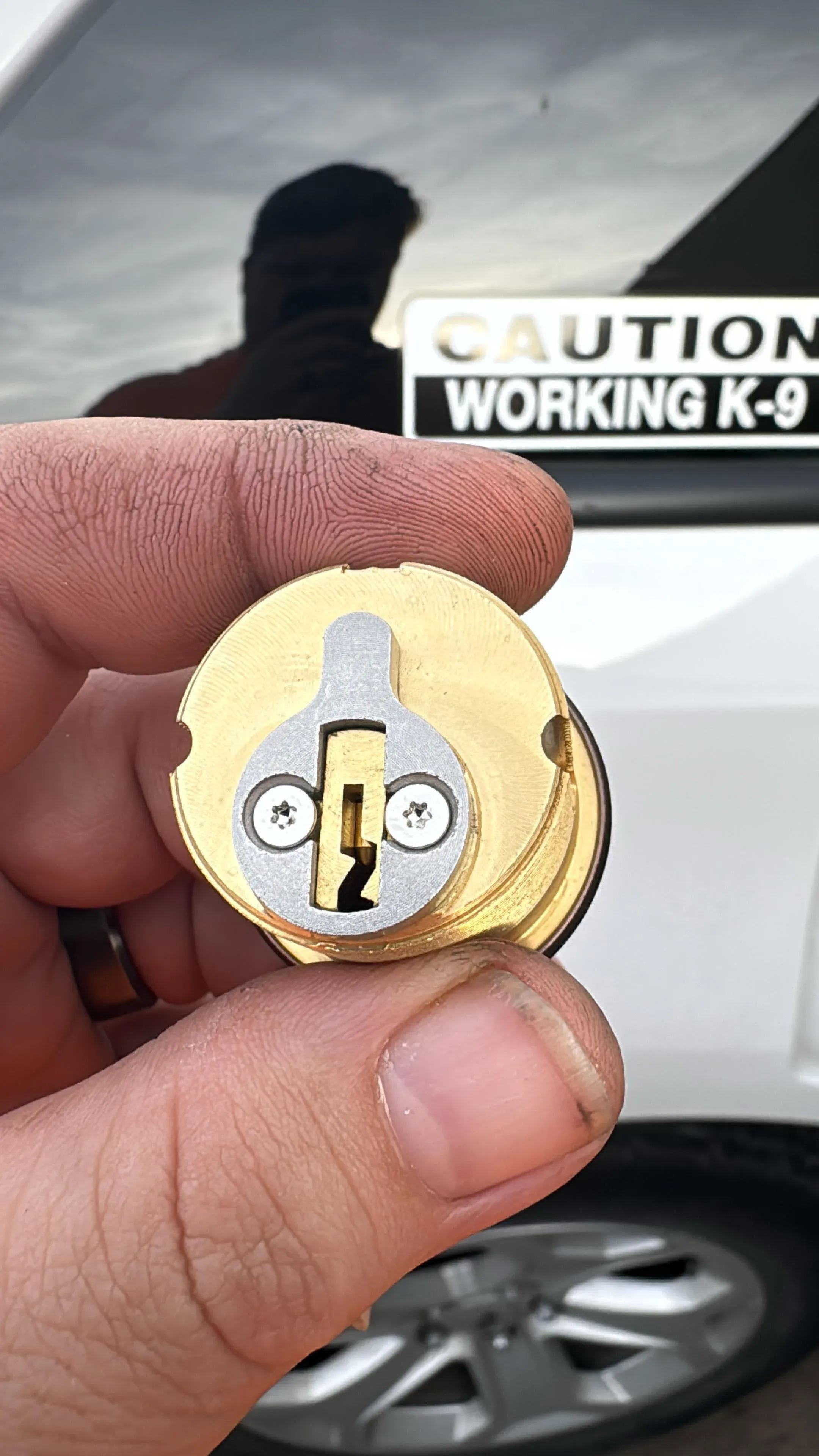
Straightforward single-cylinder installation in a standard wood door is a reasonable DIY project if you own a drill, spade bits, and a hole saw, and if the door frame is in good condition. The work is not complicated, but it requires accurate measurement.
Hire a licensed locksmith when you are installing in a metal or steel door, when the frame needs reinforcement, when a double-cylinder lock requires precise alignment, or when the door is sagging or misaligned. Professional installation in Texas typically runs $75-$150 for labor on a standard single-cylinder, $150-$250 with frame reinforcement, and $250-$450 for a full security package covering deadbolt, strike plate, frame reinforcement, and hinge pin studs.
Pros On Call installs deadbolts across all major Texas metros with same-day service. Call (888) 601-6005 for a security assessment. License #B19847.
Layered Security: Why Deadbolts Are Essential But Not Sufficient
A deadbolt is the foundation of door security, not the whole building. Understanding where it fits in a full security approach keeps you from over-investing in one layer while ignoring others.
The five-layer model works like this. Deterrence comes first: a visible deadbolt, security camera, alarm signage, and motion-activated lighting all signal to a would-be burglar that your home is a harder target than the next one. Delay is where the deadbolt lives. A Grade 1 or Grade 2 deadbolt with a proper security strike plate requires five to fifteen minutes to defeat, which is more time than most burglaries last. Detection follows: door and window sensors, glass break sensors, and smart doorbell cameras identify entry attempts. Response is what happens when detection triggers - alarm sirens, police dispatch, and smartphone alerts. Recovery covers what protects you if a break-in does succeed: a home safe, homeowner insurance, and documented serial numbers for electronics.
Deadbolts buy time for the detection and response layers to work. That is their job, and a good one properly installed does it well.
| Security Element | Time to Defeat | Notes |
|---|---|---|
| No deadbolt (spring-latch only) | 10-30 seconds | Silent bypass with credit card |
| Grade 3 deadbolt | 1-3 minutes | Vulnerable to kicks |
| Grade 2 deadbolt | 3-8 minutes | Requires tools or force |
| Grade 1 deadbolt + security strike | 8-15 minutes | Requires specialized tools + skill |
| Above + alarm system | Instant detection | Police response 5-20 min avg in Texas cities |
| Above + neighbors/cameras | Visual deterrent | Most burglars move to next target |
A Grade 1 deadbolt with proper installation makes your home take longer to enter than most burglaries last, which is the practical standard you are aiming for.
Special Considerations for Texas Homes
Extreme Heat and Humidity
Texas climate creates three specific deadbolt problems. First, metal expands in 100-degree heat, which can cause a deadbolt to bind in the frame or fail to extend fully. Use dry graphite lubricant twice a year (not WD-40 or oil, which attract dirt) and choose deadbolts with brass or stainless steel components, which expand less than zinc alloy under heat.
Second, humidity swells wood doors - a particular concern in Houston, Corpus Christi, and the Gulf Coast. A swollen door that sticks means the deadbolt may not latch cleanly, leaving an actual security gap. Seal wood doors with exterior paint or varnish, and adjust the strike plate position seasonally if needed. Steel doors avoid this problem entirely.
Third, North Texas and Panhandle winters bring freeze-thaw cycles that push moisture into the keyway. Lock de-icer spray handles acute freezing; a weather hood over the exterior keyway prevents the problem from recurring.
Hurricane Preparedness
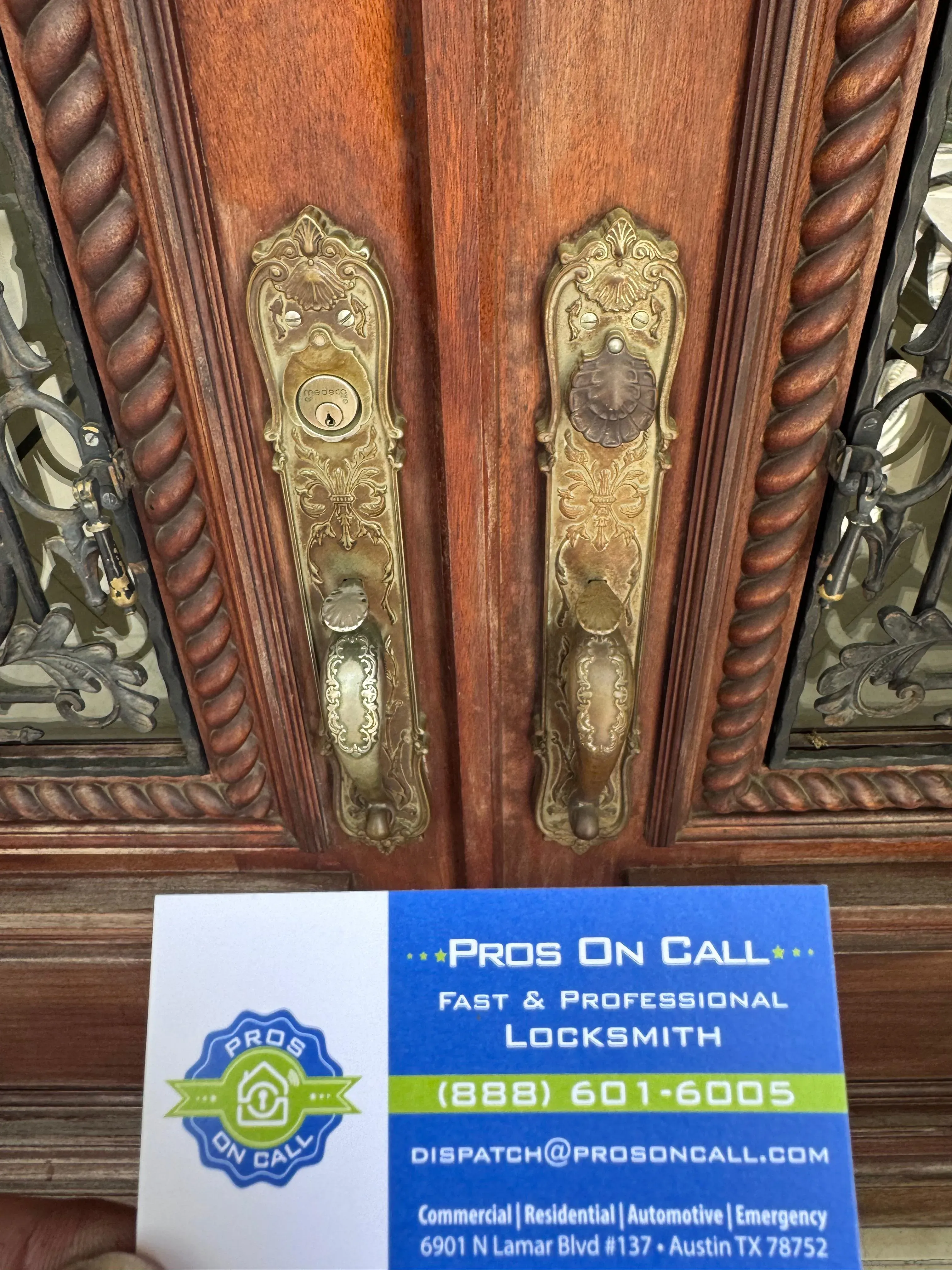
If you are in a storm zone along the Gulf Coast, lock all deadbolts before evacuating and remove spare keys from exterior hiding spots - storm surge and debris can scatter anything left outside. After a major storm, check and lubricate every lock. Wind-driven rain corrodes internal mechanisms faster than normal wear, and debris impact can damage exterior keyways.
HOA and Renter Rights
Texas HOAs can regulate the appearance and finish of exterior door hardware, but they cannot prohibit security upgrades. Installing a deadbolt is your right regardless of what the HOA covenants say about aesthetics.
Texas renters have strong protections under Property Code Chapter 92. You can install additional locks, including deadbolts, at your own expense. You can keep exclusive keys - the landlord cannot demand copies of a deadbolt you install. You can require your landlord to rekey locks if a prior tenant still has keys. Landlords must provide working exterior locks, rekey between tenants, and repair or replace broken locks within seven days of written notice. If a landlord refuses to install a required deadbolt, you can install one yourself and deduct the cost from rent after providing seven days of written notice.
When to Upgrade or Replace Your Deadbolt
Locks wear out, and a worn deadbolt provides false confidence. The clearest warning signs are a wobbly bolt when extended (indicating worn internal components), a key that sticks or grinds (worn pins or accumulated grime - try graphite powder before replacing), and a bolt that does not extend fully or catches mid-throw (internal spring weakness, which is a real security risk). Rust, corrosion, or visible exterior damage - common in coastal Texas where salt air accelerates wear - compromises both pick resistance and structural integrity.
Lost or compromised keys always warrant action. If prior tenants, ex-partners, contractors, or lost keys mean unknown people may have copies, you need rekeying or replacement right away.
Rekey the existing lock when the hardware is in good condition and Grade 1 or 2 quality, and keys were lost or stolen without the lock being physically attacked. Cost is $50-$100 per lock. Replace the lock entirely when it is Grade 3, visibly worn, 20-plus years old, was attacked during a break-in attempt, or you want to upgrade to a smart lock. Cost runs $100-$300 for deadbolt plus labor.
Common Deadbolt Myths, Answered
"Any deadbolt is better than no deadbolt." Mostly true, but a cheap Grade 3 deadbolt with 3/4-inch screws in the strike plate provides almost no kick-in resistance. Installation quality matters as much as lock quality. A Grade 2 deadbolt properly installed with a security strike plate is far more protective than a Grade 1 in a standard trim-only plate.
"Smart locks are easier to hack than traditional deadbolts." In practice, no. The physical bolt on a smart lock is identical to a traditional deadbolt - same throw, same grade, same resistance to kicking and prying. Digital attacks require proximity and technical knowledge that most burglars do not have, and physical attacks are always faster. Smart locks do carry their own risks: batteries die (keep spares), weak PIN codes defeat the electronics, and outdated firmware can carry known vulnerabilities. But the physical security is equivalent, and smart locks add entry logging and remote monitoring that traditional locks cannot provide.
"Deadbolts prevent all break-ins." Deadbolts prevent door-based break-ins, which account for a large share of home entries. Windows, garage doors, sliding glass doors, and unlocked entries are the other routes. Full security means deadbolts on all exterior doors plus window locks or security film, a garage door lock or smart opener, a security bar on sliding glass doors, and glass break sensors tied to an alarm.
"Double-cylinder deadbolts are illegal in Texas." State law does not prohibit them. Some cities restrict them on primary exit doors for fire safety reasons, and HOA rules sometimes limit finishes. Check local ordinances before installing on your main entry door, and always keep an emergency key within reach (but out of reach through any nearby glass).
"Burglars will just break a window instead." Breaking glass is loud and leaves evidence. In our experience, most burglars work through a preference order: try the doorknob first (a large share of break-ins involve unlocked doors), check for a spare key under the mat or in a fake rock, try to slip the latch, then kick the door if there is no deadbolt. Breaking windows is a last resort because of noise and injury risk. A Grade 1 deadbolt forces the choice between spending 10-15 minutes picking or bumping, or making noise breaking glass. Most move to the next house.
Emergency Locksmith Services: When You Need Help Now
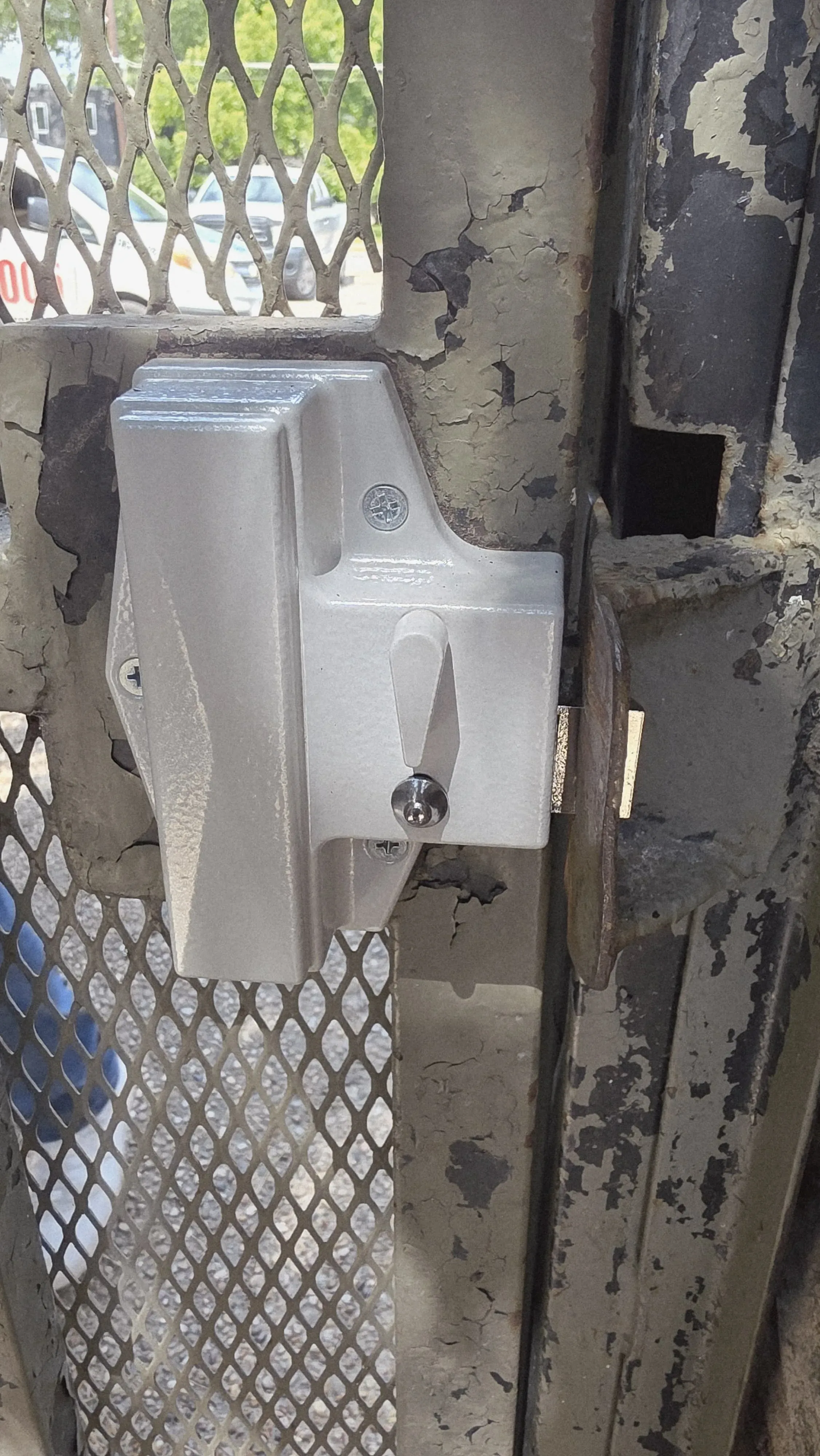
Common deadbolt emergencies in Texas include lockouts from a lost or broken key, post-break-in frame and lock damage, keys stuck or broken in the cylinder, a deadbolt that will not lock or unlock due to internal failure, and moving into a home where prior owners or tenants had keys.
For each situation the approach is the same: stop trying to force the mechanism (it makes extraction and repair harder), call a licensed locksmith, and let the professional assess whether rekeying or full replacement is needed. Emergency response times in major Texas metros run 30-60 minutes. Suburbs and small cities are typically one to two hours. Rural areas can be two to four hours with a travel fee.
Pricing for emergency service in Texas: trip fee runs $75-$150 (higher after hours), deadbolt installation labor is $100-$200, lock hardware adds $50-$300 depending on grade, and frame reinforcement adds $50-$150 if needed. A full emergency deadbolt upgrade with reinforcement typically runs $275-$600.
Watch for scam locksmiths. Get a complete price quote over the phone (total cost, not "starting at"), verify the Texas DPS license before work begins, and do not pay until the work is complete and tested.
Pros On Call is a licensed, insured locksmith company serving all major Texas metros 24/7 with upfront pricing and guaranteed workmanship. Call (888) 601-6005. License #B19847.
Frequently Asked Questions
Can I install a deadbolt on my apartment door without landlord permission?
Yes. Texas Property Code Chapter 92 gives renters the right to install additional locks at their own expense. You must restore the door to original condition when you move out, you can keep exclusive keys, and the landlord cannot demand copies. The landlord can charge reasonable fees for repairing improper installation damage.
How much does professional deadbolt installation cost in Texas?
Labor only (you provide the lock) runs $75-$150. Labor plus a standard Grade 2 deadbolt is $125-$250. A full security package with a Grade 1 deadbolt, security strike plate, and frame reinforcement runs $250-$450.
Do I need a deadbolt if I have a security alarm system?
Yes. Alarm systems detect and trigger response (layers 3 and 4), but deadbolts provide delay (layer 2). The deadbolt gives the alarm system time to work - a burglar must spend time defeating the lock, giving the alarm time to alert police. Both are necessary.
How often should I lubricate or maintain my deadbolt?
In Texas climate, apply dry graphite lubricant to the keyway and bolt mechanism every six months - May and October are good markers. After major storms, clean and lubricate immediately. Avoid WD-40 or oil-based products; they attract dirt and eventually gum up the mechanism. Use dry graphite powder or PTFE lubricant.
Can I use the same key for all my deadbolts?
Yes - keying alike is a standard locksmith service costing $10-$25 per additional lock. All exterior deadbolts operate from one key. The downside is that losing one key means all locks are exposed. For rental properties or businesses, a master key system (different keys open different doors, one master opens all) is often a better solution.
Final Recommendations: Deadbolt Standards by Property Type
Single-family home in an average-crime area: Grade 2 deadbolt on all exterior doors, security strike plate with 3-inch screws, solid-core or steel door. Upgrade to Grade 1 if your neighborhood's burglary rate tops 1,500 per 100,000.
Single-family home in Houston, Dallas, or San Antonio: Grade 1 deadbolt on all exterior doors, box strike plate or frame reinforcement kit, smart lock with monitoring, alarm system with monitored police dispatch.
Apartment or condo: Grade 2 deadbolt minimum - install yourself if the landlord will not. Add a door sensor or doorstop alarm and at least one visible deterrent like a smart doorbell.
Rental property (you're the landlord): Grade 2 deadbolt on all exterior doors, rekeyed between every tenant as Texas law requires. Smart locks with temporary access codes make tenant turnover easier and give you an entry log.
Commercial property or home business: Grade 1 deadbolt on all entry points, access control system with entry logging, panic bars on any emergency exits per fire code.
Deadbolts are the most cost-effective security upgrade available. For $100-$300 per door, you dramatically change the risk calculation for anyone considering your home as a target. Proper installation - the strike plate, the screws, the frame - is what makes that investment pay off.
Pros On Call provides licensed, professional deadbolt installation services across all major Texas metros including Austin, Houston, Dallas, San Antonio, Fort Worth, El Paso, and more. Same-day service available. Call (888) 601-6005 or book online. License #B19847.
Content strategy and SEO by Optymizer