When you need a locksmith, understanding whether you need residential or commercial locksmith services can save you time, money, and ensure you get the right specialist for your situation. While both deal with locks and security, the expertise, tools, regulations, and services required for homes versus businesses are vastly different.
What makes residential locksmith services unique is the fact that they are created for the day-to-day person - homeowners, renters, and apartment dwellers with straightforward security needs. Commercial locksmith services, on the other hand, are designed for businesses with complex security requirements, regulatory compliance needs, and high-traffic access control systems.
This guide explains the key differences between residential and commercial locksmith services so you know exactly which specialist to call.
The Core Differences at a Glance
Residential Locksmith Services
Residential locksmith work centers on the individual: a homeowner moving in, a renter who lost keys, a landlord managing a handful of units. The security needs are real but bounded, and most decisions get made the same day by one person. Standard deadbolts and knob locks handle the vast majority of situations without special hardware or regulatory sign-off.
Primary focus: single-family homes and apartments, standard residential locks and deadbolts, personal property protection, and cost-effectiveness for individual homeowners and renters.
Typical clients: homeowners, renters, apartment dwellers, landlords with residential rental properties, and property managers overseeing residential complexes.
Commercial Locksmith Services
Commercial locksmith work is a different discipline. A restaurant in Austin, a medical office in San Antonio, a warehouse in McAllen - each has multiple entry points, employees with different levels of access, fire marshal requirements, and hardware that must hold up to hundreds of openings per day. A single wrong decision can mean a failed inspection or a lawsuit.
Primary focus: office buildings and retail stores, multi-tenant commercial properties, high-security requirements, regulatory compliance with ADA and fire codes, and controlled access for employees and customers.
Typical clients: business owners, office managers, retail store operators, commercial property management companies, facility managers, industrial facilities, schools, and institutions.
Security Requirements: Simple vs. Complex
Residential Security Needs
A homeowner's security checklist is short by design. The goal is keeping strangers out while making daily life easy for the family inside. Grade 2 or Grade 3 locks handle most Texas homes without any additional engineering, and a single rekeying when you move in is usually all it takes to reset who has access. The basic hardware most homeowners need covers five points of entry:
- Front door deadbolt
- Back door lock
- Garage door lock
- Window locks
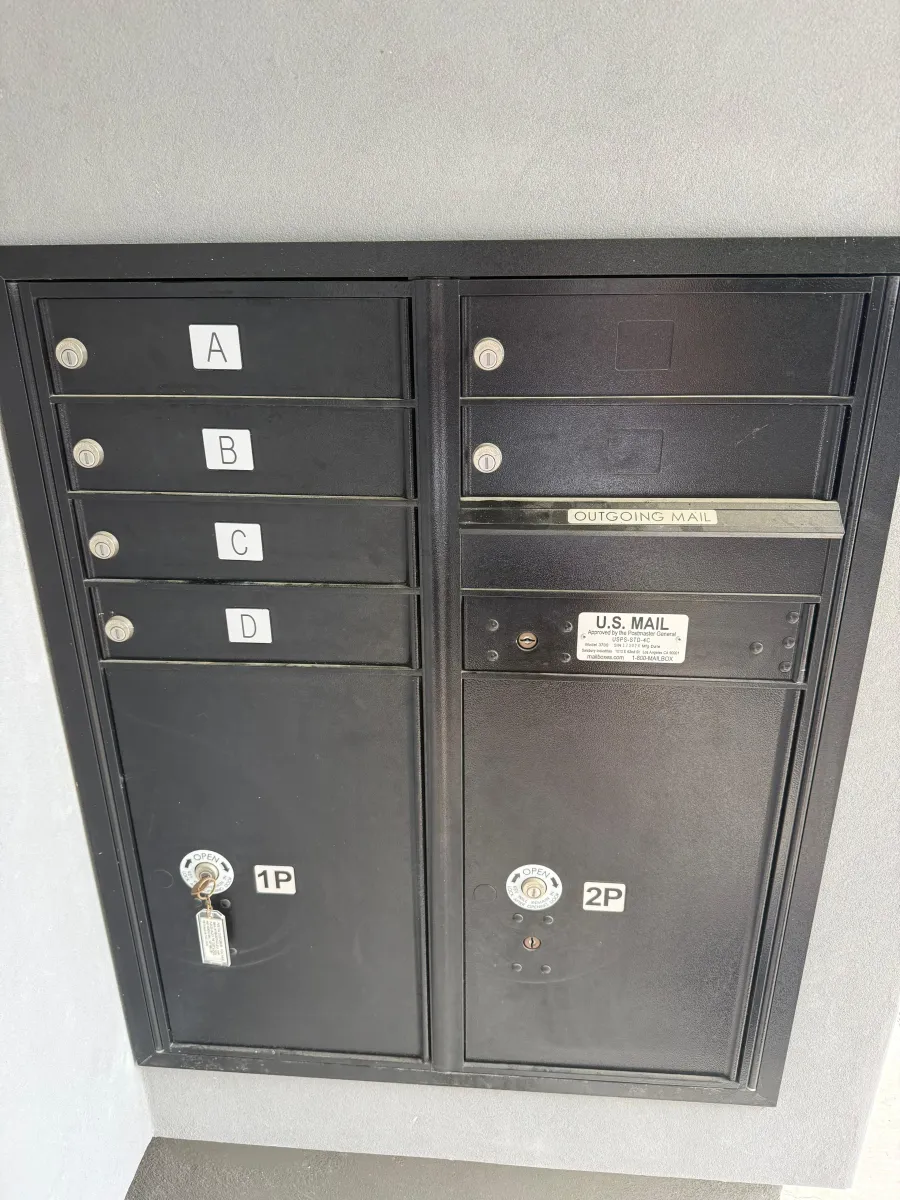
- Mailbox lock
Standard concerns include burglary prevention, personal safety, protecting valuables, and controlling who holds a key. Decision-making is fast - typically one person, done in hours - and a Grade 2 or Grade 3 deadbolt with single-point entry control is sufficient for the large majority of Texas homes.
Commercial Security Needs
A business has to protect its employees, its customers, its data, and its physical property - all at the same time, across multiple doors, and under the watchful eye of code inspectors. That complexity demands a different class of hardware and a different level of planning. Getting it wrong is not just expensive; in Texas it can mean a fire marshal shutdown. The security requirements businesses typically carry reflect that weight:
- Multiple entry points, each with its own access rules
- Tiered access for different employee roles (executive, staff, maintenance)
- Time-restricted access that changes by shift
- High-traffic durability built to outlast residential hardware many times over
- Audit trails showing who accessed which door and when
Advanced concerns go well beyond burglary: employee theft prevention, ADA and OSHA compliance, data and IP protection, customer safety, and after-hours security all factor in. A commercial property typically needs Grade 1 locks, a master key hierarchy, panic hardware for fire exits, and often a full keycard or biometric access control system. The decision-making process reflects that weight - business owners, facility managers, and sometimes a committee, with timelines that can stretch weeks or months.
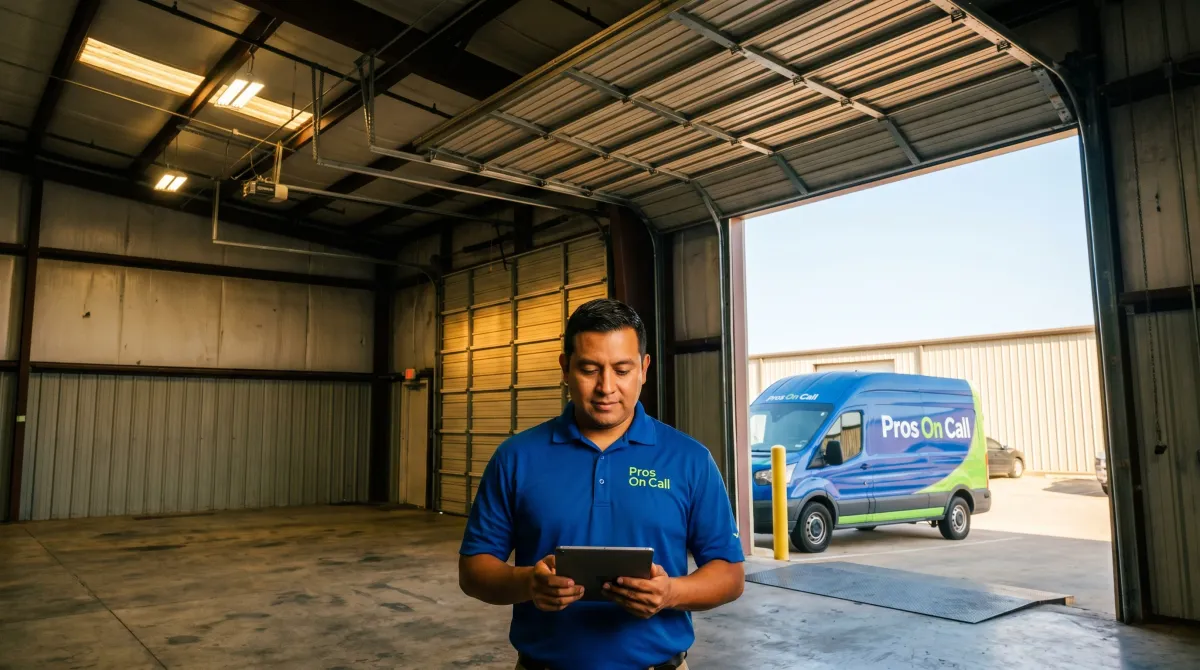
Lock Types: Residential vs. Commercial
Residential Lock Types
For most Texas homes, the lock choices are familiar and the price points are reasonable. The variety exists mainly to match the door type and the homeowner's preference for convenience versus security - a bedroom privacy lock is not the same conversation as a front-door deadbolt after a break-in attempt nearby.
Deadbolts are the backbone of residential security. Single-cylinder models (key outside, thumb turn inside) cover most exterior doors. Double-cylinder versions require a key from both sides, which raises a fire-hazard concern in some jurisdictions, so they should be chosen carefully. Kwikset, Schlage, and Yale are the brands most Texas homeowners encounter, and Grade 2 or 3 is sufficient for the large majority of situations.
Typical residential lock costs:
- Basic deadbolt: $50-$150
- Smart lock: $150-$300
- Lock installation total: $100-$250
Knob locks and lever locks handle interior doors - bedroom and bathroom privacy locks, passage locks that just latch, and entry locks with a key on the outside. Decorative finish matters here in a way it rarely does on a commercial door.
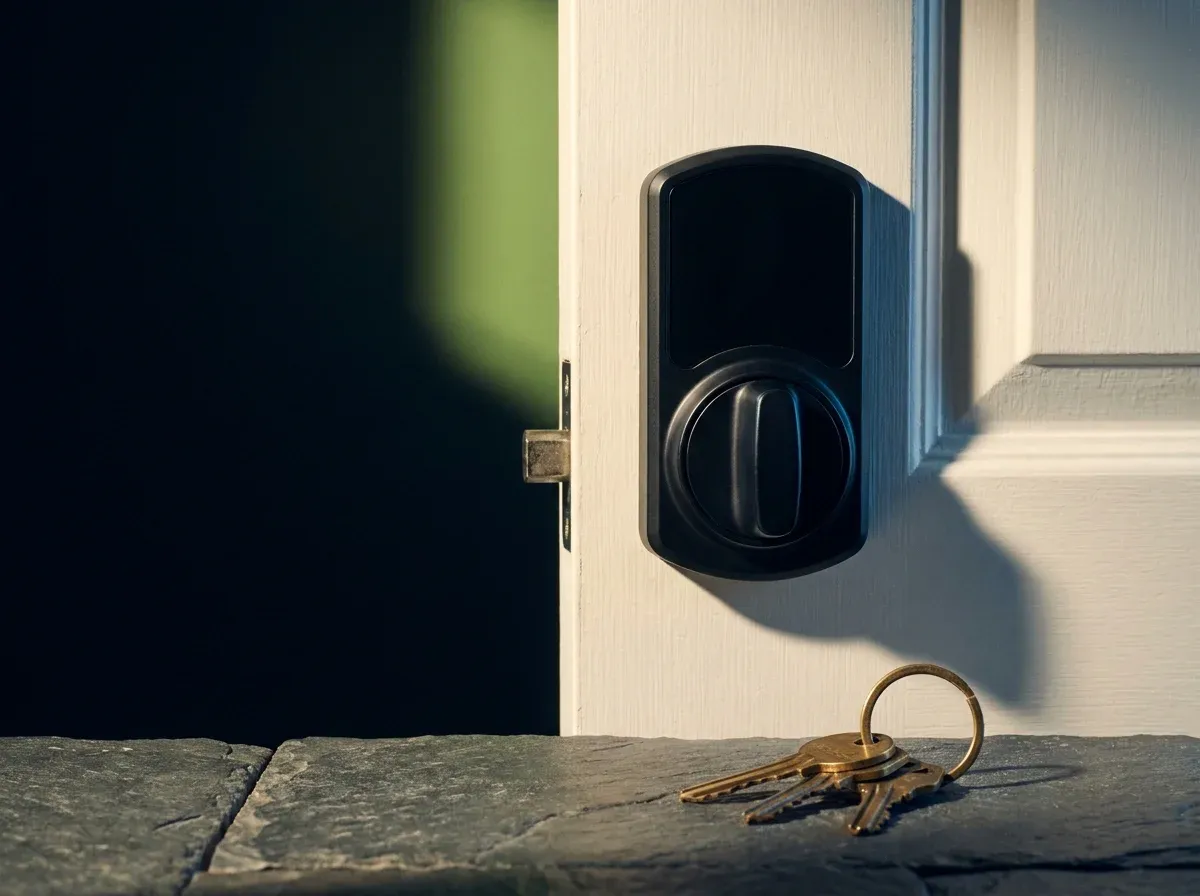
Smart locks have grown steadily in Texas homes over the past several years. Keyless entry with codes, smartphone control, guest access management, and home-automation integration are now standard features at accessible price points.
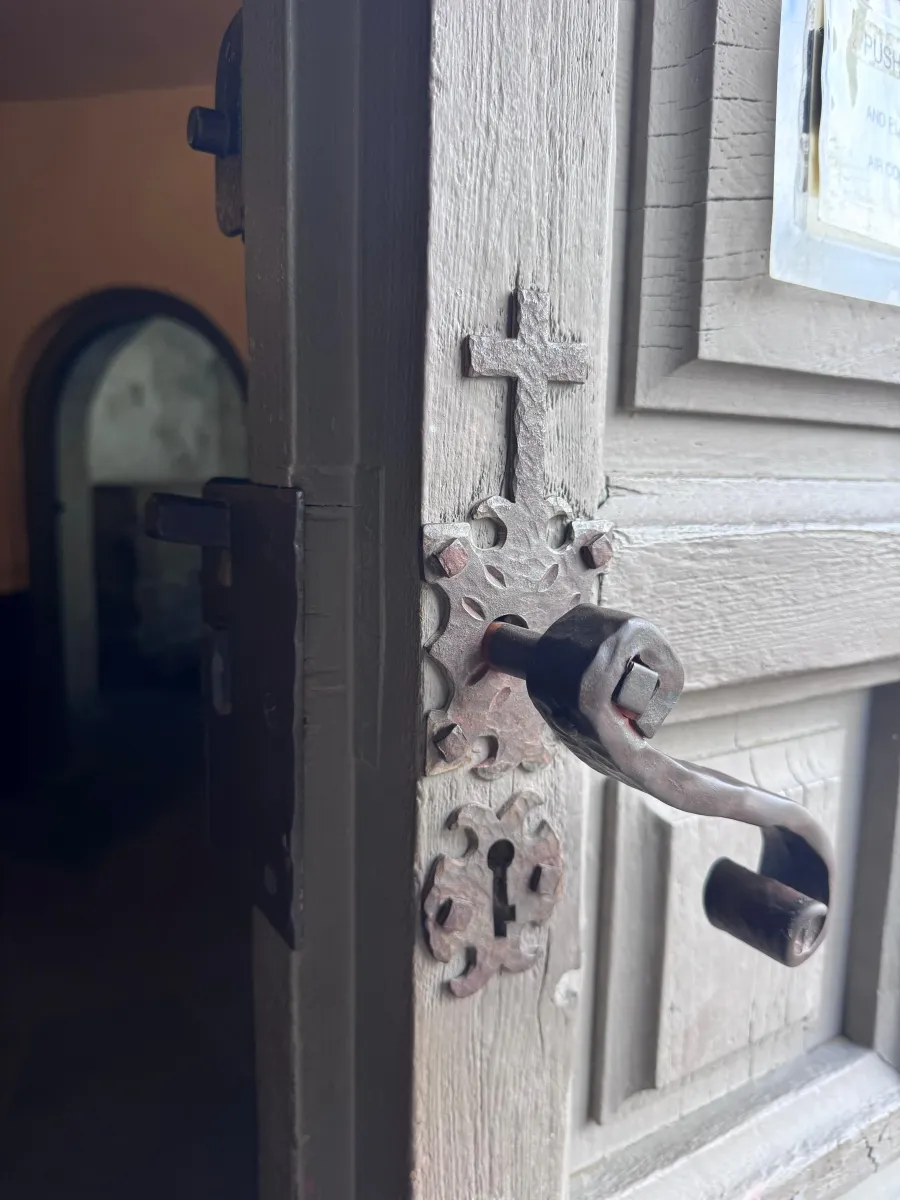
Commercial Lock Types
Commercial hardware is built to a different standard entirely. A front door at a busy Austin retail store may be opened and closed hundreds of times daily for years. The locks must hold up to that, meet fire and ADA codes, and support whatever access control layer the business runs on top.
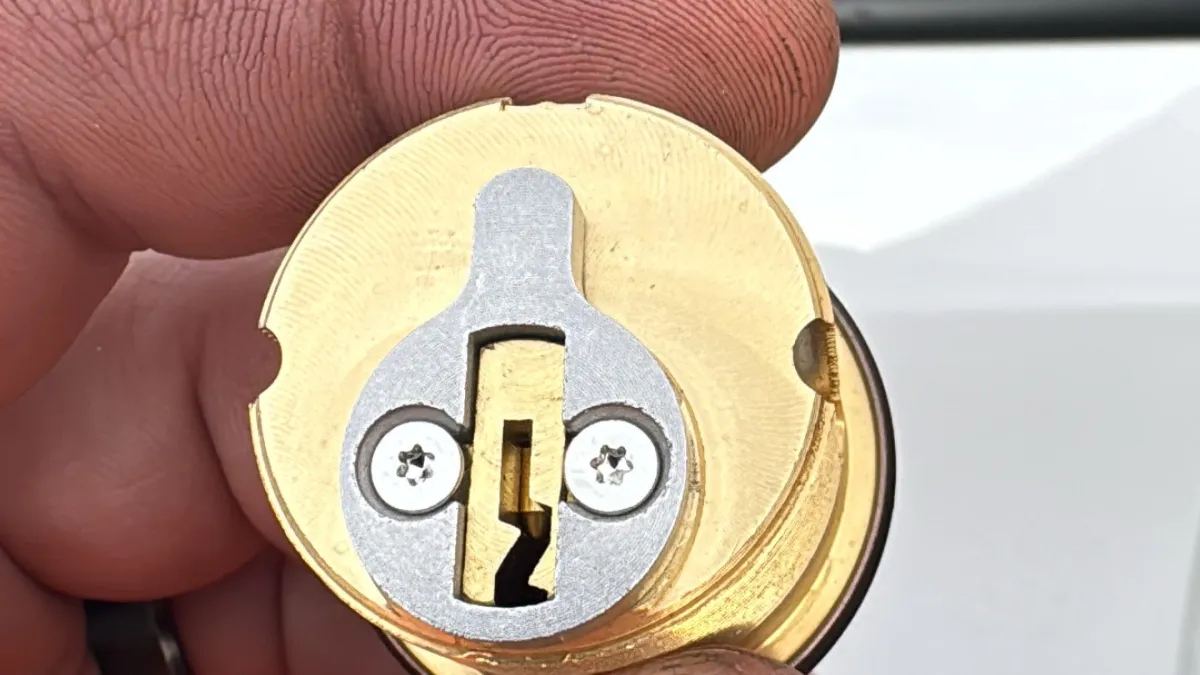
High-security deadbolts at the commercial grade are pick-resistant and drill-resistant, carry a Grade 1 rating (the highest for durability), and come from brands like Medeco, Mul-T-Lock, and Assa Abloy. Restricted keyways mean keys cannot be duplicated at a hardware store - copies require authorization, which matters when an employee leaves.
Mortise locks are the commercial standard for office buildings. They are heavier and more secure than residential cylindrical locks, they cost more upfront, but they last for decades under heavy use.
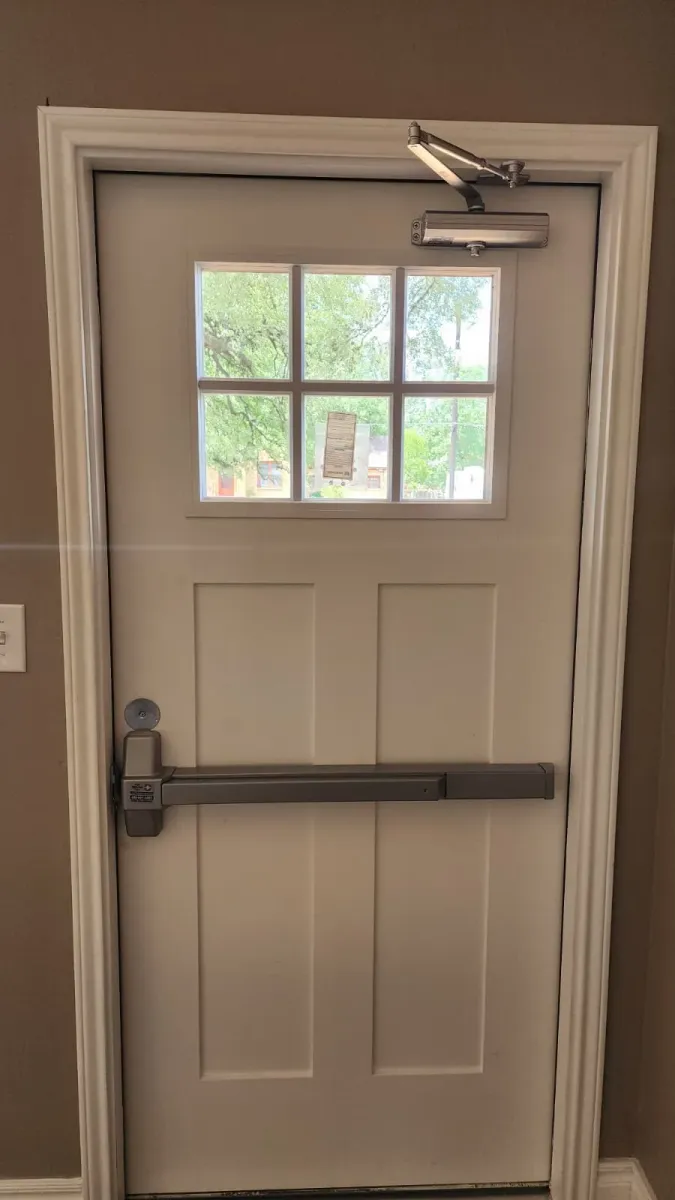
Panic hardware (exit devices) is where code compliance becomes unavoidable. Texas fire code requires push-bar exit devices on assembly-occupancy doors. The bar releases the door from the inside without a key; the door cannot be locked from outside during business hours, and ADA-compliant models are required to meet force and clearance specifications.
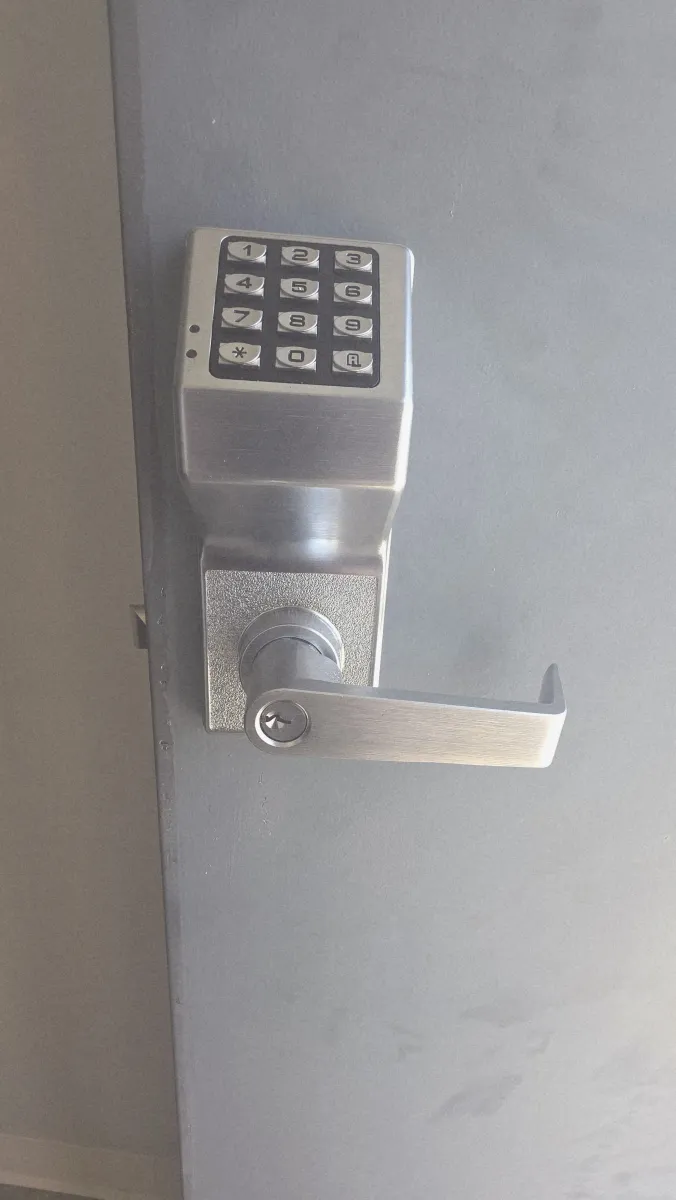
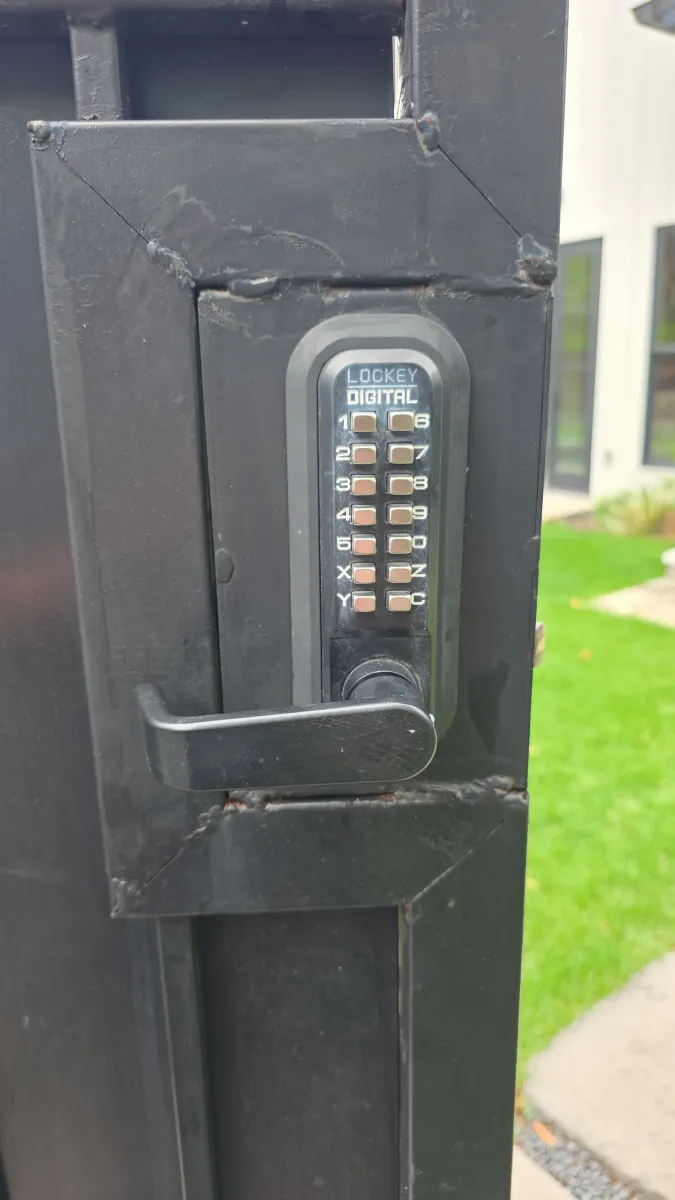
Access control systems sit on top of all of this: keycard and FOB systems, biometric readers (fingerprint, retina), keypad entry with audit logs, and integration into broader building security platforms.
Typical commercial lock costs:
- Commercial deadbolt: $150-$400
- Panic hardware: $300-$800 per door
- Access control system: $2,000-$10,000+ for complete installation
- Master key system: $500-$2,000
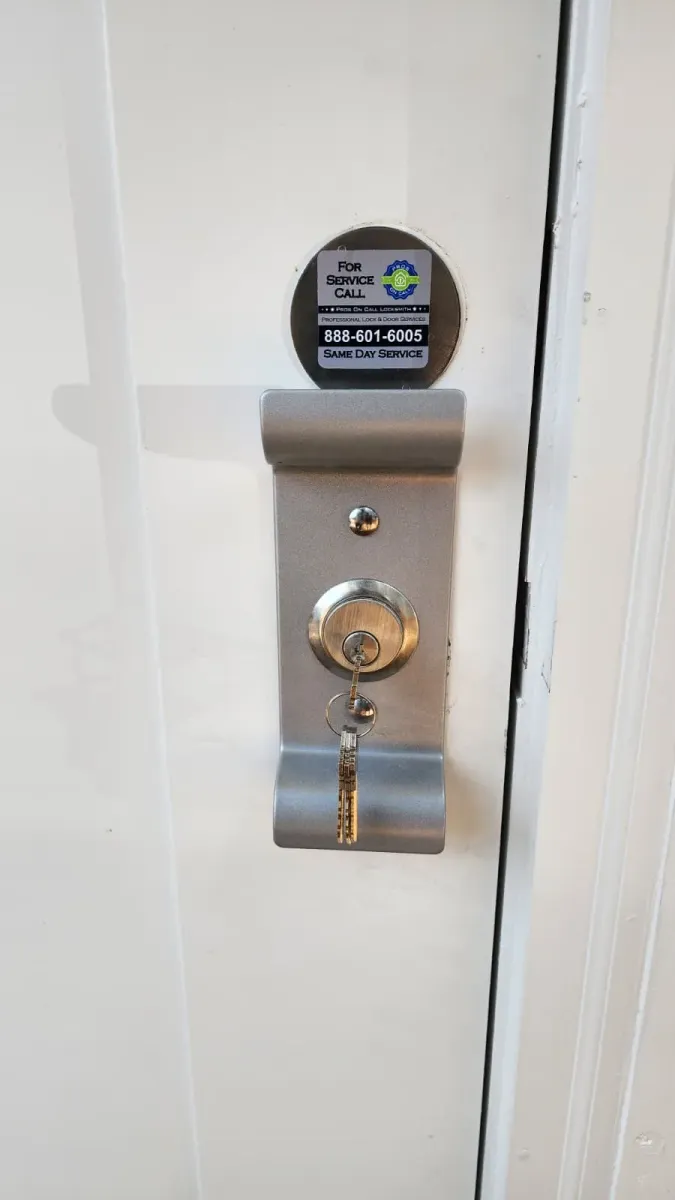
Master Key Systems: Residential vs. Commercial
Residential Master Key Systems
Landlords and property managers with residential portfolios are the most common residential customers for master key systems. The structure is simple: one master key opens everything, tenants hold individual keys that only work their own unit. Most residential setups involve fewer than 20 locks and rarely need more than two levels.
A practical Texas example: a landlord owns 4 rental houses, each with 3 locks (front, back, garage). The landlord carries one master key that opens all 12 locks across all 4 properties. Each tenant holds individual keys that work only for their specific house. Total cost for a setup like this typically runs $300-$800.
Commercial Master Key Systems
A commercial master key system is a security architecture project, not a simple keying job. A San Antonio office building with dozens of tenants, a university with hundreds of buildings, a hospital with restricted clinical areas - each requires a documented hierarchy that spells out exactly who can go where and when.
A typical office building hierarchy looks like this:
- Grand Master Key: building owner accesses every lock in the entire building
- Master Key (Floor 1): Tenant A manager accesses all Tenant A spaces
- Sub-Master Key (IT): IT department accesses all IT closets across all floors
- Individual Keys: individual employees access only their specific office
That kind of planning takes days or weeks. The entire key hierarchy must be documented. Security levels must be maintained so a sub-master cannot accidentally gain grand-master access. When a key is lost at the top of the hierarchy, the implications are serious - re-keying costs can be $5,000-$50,000+ depending on the size of the system. Commercial master key systems typically run $1,000-$10,000+ depending on complexity.
Regulations and Compliance: Residential vs. Commercial
Residential Locksmith Regulations
Homeowners operate with very few lock-related regulations. Building codes may apply for new construction, HOA rules might restrict visible hardware in planned communities, and rental agreements sometimes specify what a tenant can and cannot change. But for single-family homes in Texas, there are no federal requirements governing lock grades, key control, access documentation, or fire exit hardware. A homeowner can choose any lock, rekey at will, and needs minimal paperwork.
Commercial Locksmith Regulations
Commercial properties in Texas face a layered stack of requirements, and failing any one of them can mean fines, forced closure, or worse. This is the primary reason commercial locksmith work costs more and takes longer - the technician is not just installing hardware, they are signing off on code compliance.
Fire codes are non-negotiable. Exit doors must not be locked from inside during business hours. Panic hardware is required for assembly occupancies. Fire-rated doors need hardware that meets the fire rating of the door itself. Fire marshal inspections verify all of it.
ADA requirements govern lever handles (round knobs are not permitted), maximum force required to open a door, hardware height, and door clearance measurements. A business that installs a round knob on a customer-facing door is out of compliance the moment an inspector walks through.
OSHA adds emergency exit requirements, rules on electrical room access, and locks for hazardous material storage. Industry-specific regulations layer on top: HIPAA for healthcare facilities protecting patient information, PCI DSS for retail operations handling card data, SOX for corporations with financial records, and ISO standards in manufacturing and industrial settings. Non-compliance carries real costs:
- Fines ranging from $1,000 to $100,000+ depending on the violation
- Business closure orders from fire marshals or code inspectors
- Lawsuits if a customer or employee is injured due to non-compliant hardware
- Insurance claim denials if hardware was not code-compliant at time of loss
- Failed inspections that halt operations until corrections are made
Commercial locksmiths must stay current on code changes, carry liability for incorrect hardware installations, and provide documentation that work will pass inspection.
Service Timing and Urgency
Residential Service Timing
Most residential locksmith calls fall into two buckets: a lockout that needs help right now, or a planned service that can wait a few days. The decision-maker is usually one person who can say yes on the spot, which keeps scheduling simple.
Emergency situations - locked out of the house, a lock broken after a break-in attempt, lost keys, a key broken off inside the cylinder - typically need a technician within 30-60 minutes. Planned services like rekeying after a move, a smart lock installation, or a deadbolt upgrade can be scheduled days or weeks out. Service duration runs from 15 minutes for a straightforward lockout to about 2 hours for multiple locks on a larger property.
Commercial Service Timing
Commercial locksmith calls carry a different weight. A retailer locked out before opening is losing sales every minute the door is shut. A malfunctioning panic bar is a life-safety issue, not just an inconvenience. The stakes push response time expectations much tighter - many Texas businesses expect a technician in 15-30 minutes for true emergencies. The calls that fall into that urgent category:
- Employee locked out before opening
- Panic hardware malfunction (life-safety priority)
- Break-in requiring immediate lock replacement
- Access control system failure affecting the entire building
Planned commercial services - rekeying after an employee departure, master key system installation, access control upgrades, lock replacements for compliance, new construction hardware - get scheduled weeks or months in advance, coordinated around business hours so operations stay uninterrupted.
Decision-making moves slowly on planned commercial work because multiple stakeholders are involved: business owners, facility managers, finance for budget approval. But when a commercial emergency hits, every minute of delay has a direct dollar cost.
Whether you need residential locksmith services for your home or commercial locksmith services for your business, calling the right specialist ensures proper security, code compliance, and fair pricing.
Pricing Differences: Why Commercial Costs More
Residential Locksmith Pricing
Residential pricing stays reasonable because the hardware is standardized, the jobs are faster, and the liability exposure is lower. A homeowner making a quick decision about a deadbolt is not the same financial conversation as a facility manager planning a building-wide access control rollout.
Average residential costs in Texas:
Emergency lockout: service call $50-$100, labor $50-$100, total $100-$175.
Rekeying: first lock $75-$125 including the service call, additional locks $15-$30 each, six locks typically $150-$250 total.
Lock installation: basic deadbolt with labor $100-$200, smart lock with installation $200-$400.
Residential work costs less because the hardware itself is less expensive, the systems are simpler, there is no regulatory compliance burden, and the jobs finish faster.
Commercial Locksmith Pricing
Commercial pricing reflects what it actually costs to do the job correctly: Grade 1 hardware, code-compliant installation, liability coverage, and the specialized knowledge needed to make everything pass inspection.
Average commercial costs in Texas:
Emergency lockout: service call $100-$150, labor $100-$200, total $200-$350. The premium reflects business urgency, higher liability, and the frequency of after-hours calls.
Rekeying: commercial locks run $30-$60 per lock, high-security restricted-keyway locks $75-$150 per lock, full master key systems $500-$2,000+.
Lock installation: commercial deadbolt with labor $200-$400, panic hardware with installation $400-$1,000, access control system $3,000-$15,000+.
The six reasons commercial locksmith work costs more:
- Higher-grade hardware. Commercial locks cost 2-3x their residential counterparts and are built to take far heavier daily use.
- Compliance requirements. ADA, fire codes, and OSHA must be met, and the locksmith carries liability if they are not.
- Complexity. Master key systems require planning and documentation. Access control systems integrate with broader building infrastructure.
- Higher liability. Business property, employee safety, customer safety, and data security all compound the risk exposure.
- Business urgency. After-hours installation is common, emergency response is expected, and downtime costs money.
- Specialized knowledge. Code compliance expertise and manufacturer certifications take years to build and must be kept current.
Tools and Equipment Differences
Residential Locksmith Tools
A residential technician arrives with the tools that cover the full range of standard home lock situations: pin tumbler picks, plug spinners, pinning kits for rekeying, a manual key cutting machine, standard drill bits, and the basic installation hardware that gets most residential jobs done in a single visit. The vehicle inventory - Kwikset, Schlage, and Yale deadbolts, standard knob and lever locks, basic smart locks, standard strike plates - runs $5,000-$15,000 and fits the range of hardware a typical Texas homeowner needs.
Commercial Locksmith Tools
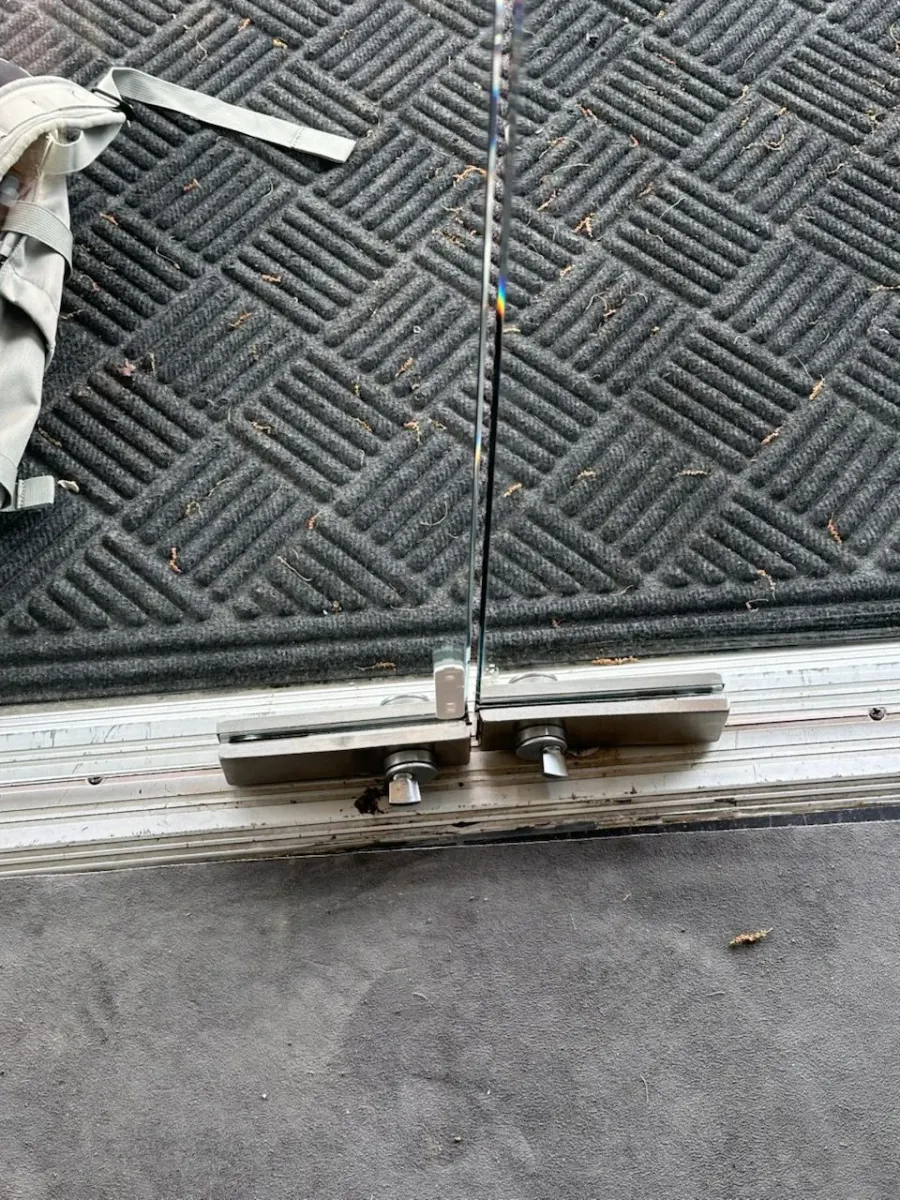
Commercial technicians carry everything a residential locksmith has, plus a second layer built for complexity and compliance. Commercial-grade picks handle the tighter tolerances on high-security cylinders. Panic hardware requires its own installation and adjustment tools. Access control systems need programming equipment. Master key system design involves software that maps out the full hierarchy before a single cylinder is pinned. Code compliance work requires measurement tools to verify ADA clearances and force specifications.
The inventory in a commercial van runs accordingly: commercial-grade deadbolts and mortise locks, panic hardware (exit devices), ADA-compliant lever handles, high-security restricted keyway cylinders, keycard system components, and fire-rated door hardware. A fully stocked commercial service vehicle carries $20,000-$50,000+ in tools and inventory because the variety of systems out in the field demands it.
Training and Expertise Differences
Residential Locksmith Training
A residential locksmith learns the core mechanical skills that handle the vast majority of home security situations: pin tumbler lock mechanisms, standard deadbolt installation, rekeying procedures, and the major residential brands - Schlage, Kwikset, Yale. Smart lock installation and standard door hardware round out the toolkit. A 6-12 month apprenticeship is typical before a technician works independently, with ongoing product training as new smart lock generations come out.
Commercial Locksmith Training
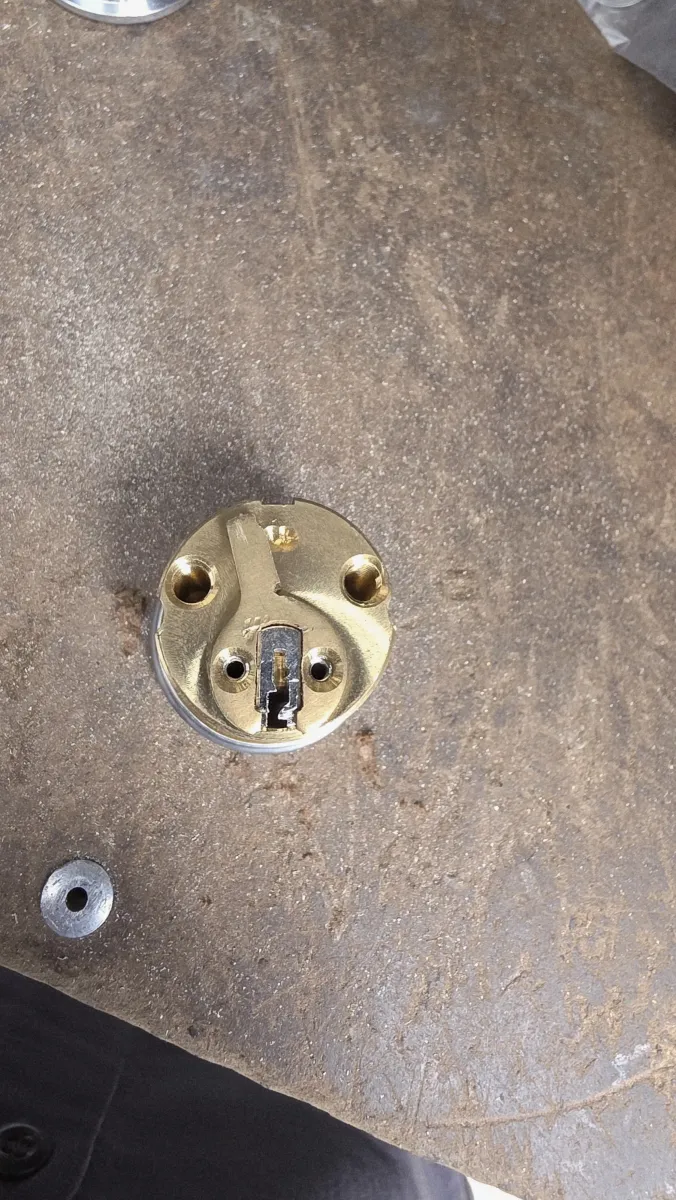
Commercial locksmith training builds on the residential foundation but extends into territory that takes years to master. Mortise lock mechanisms, master key system design, panic hardware installation and adjustment, access control programming, fire-rated door hardware, and ADA compliance requirements all require hands-on experience that cannot be rushed.
The knowledge base is equally demanding: commercial building codes in Texas, fire marshal regulations, OSHA requirements, ADA specifications, and industry-specific rules for healthcare, retail, and education settings. Commercial locksmiths also need the business communication skills to write proposals, coordinate with facility managers, and document work for inspection purposes.
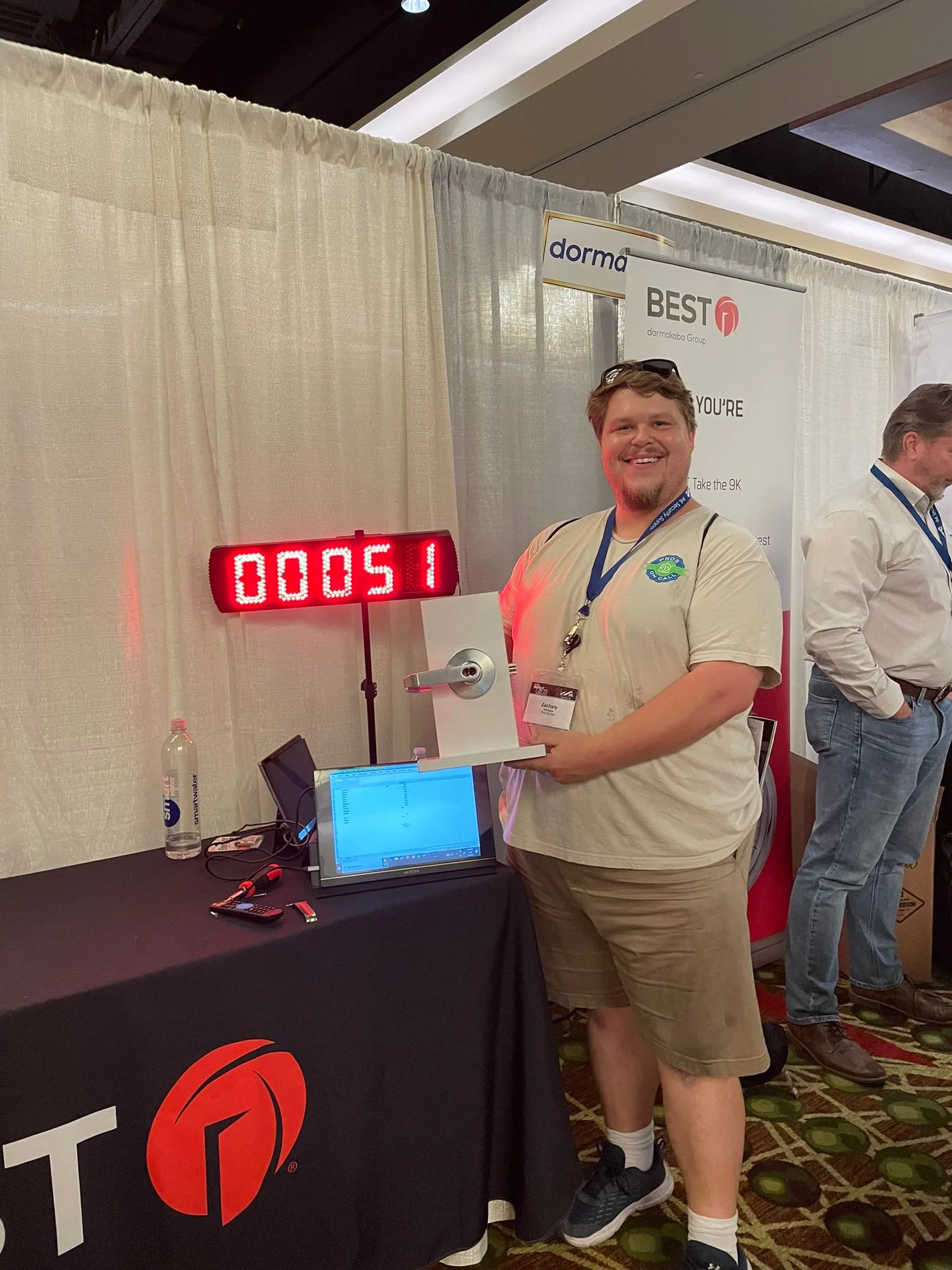
Training typically runs 2-5 years before a technician is ready for the full range of commercial work. Manufacturer certifications from Schlage, Medeco, and others, plus ALOA (Associated Locksmiths of America) certifications, require ongoing continuing education to maintain. The stakes are high enough that errors in commercial work can have catastrophic consequences - a failed fire exit during an emergency is not a do-over situation.
When to Call Each Type of Locksmith
Call a Residential Locksmith When:
Any of these home situations applies: you are locked out of your house or apartment, you are moving into a new home and want all locks rekeyed, you need new deadbolts installed, you are upgrading to smart locks, a lock needs repair or replacement, you lost house keys, a key broke inside a door lock, you have mailbox or window lock issues, or you need a home safe opened. The right call covers single-family homes, apartments and condos, residential rental properties, and vacation homes with standard security needs.
Call a Commercial Locksmith When:
Any of these business situations applies: an office lockout, a master key system needed, rekeying after an employee departure, panic hardware installation or service, access control system installation, high-security lock upgrades, compliance with fire marshal or ADA requirements, new commercial construction hardware, or a business security assessment. Commercial service is required for office buildings, retail stores, restaurants and bars, medical facilities, schools and universities, industrial facilities, multi-tenant commercial properties, and any business with both employees and customers on the premises.
Common Mistakes: Calling the Wrong Specialist
Mistake 1: Calling a Residential Locksmith for a Business
A residential locksmith may not carry commercial-grade hardware, may not know the fire codes and ADA requirements that apply, and could install hardware that fails a code inspection. The business pays twice: once for the incorrect installation and again for the compliant one - plus any revenue lost during closure.
Here is a real pattern we see in Texas: a business owner calls a residential locksmith to install new office door locks. The locksmith installs residential-grade hardware and no panic bar. The fire marshal inspection fails. The business has to shut down until proper commercial panic hardware is installed. Total cost runs well past $1,200 for the correct installation, plus lost revenue while the business was closed.
Mistake 2: Calling a Commercial Locksmith for a Home
The opposite problem is simpler but still worth knowing. Commercial locksmiths charge commercial rates - a job that a residential specialist would handle for $150 might be quoted at $400 or more. Commercial-grade hardware is also overkill for most homes: harder to get keys duplicated, more complex to operate, and more expensive without a meaningful security benefit.
That said, there are genuine exceptions. A home office holding sensitive client data, or a property with a high-value art collection, may justify commercial-grade locks even in a residential setting.
Mistake 3: Using Wrong Locks for the Property Type
Residential locks installed in a commercial setting fail quickly - months instead of years - and create code violations and liability exposure that no business wants. Commercial locks in a residential setting cost 2-3x more, complicate key duplication, and add operational complexity without a proportional benefit for most homeowners.
Pros On Call: Both Residential and Commercial Expertise
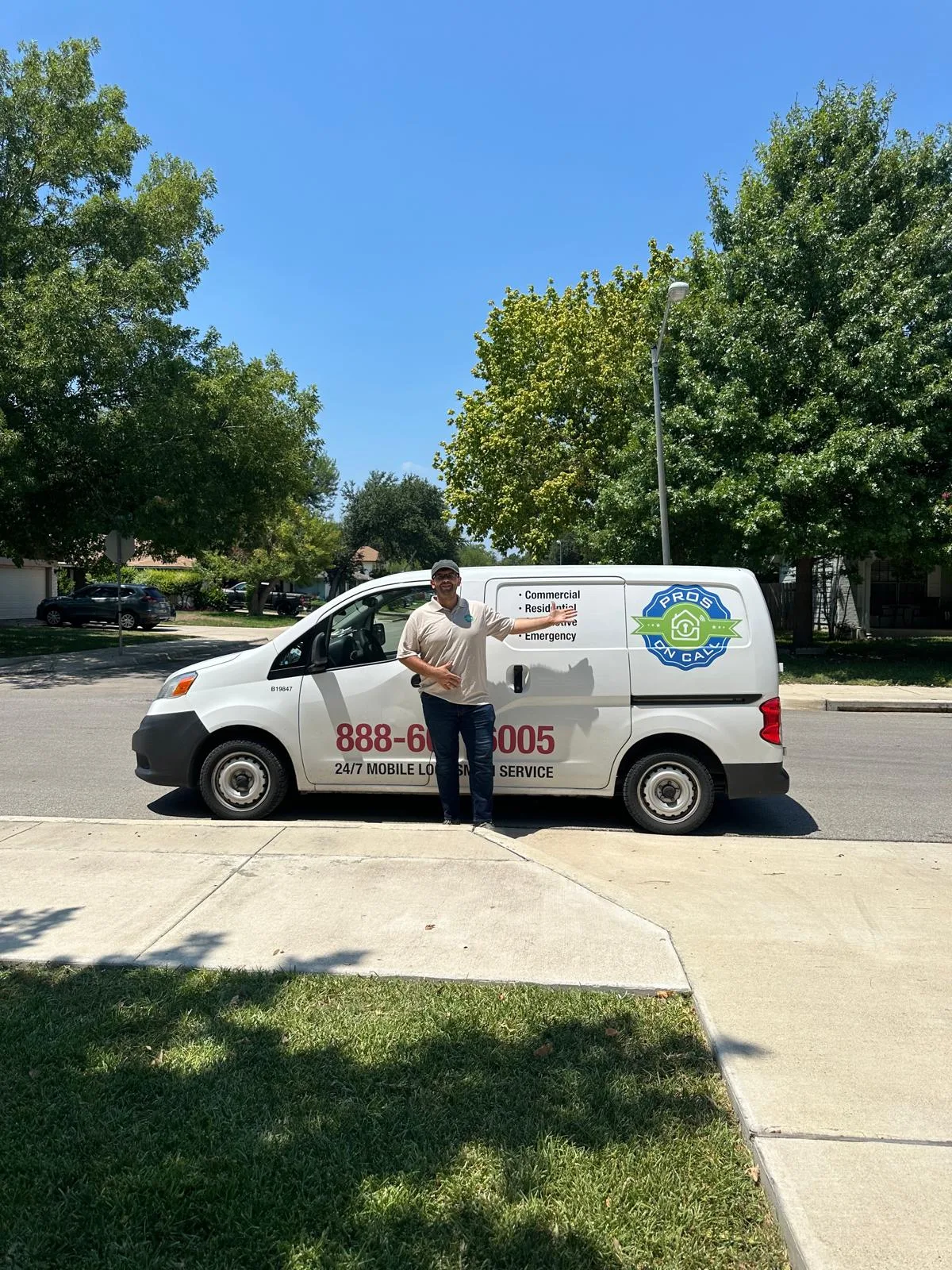
When you need locksmith services anywhere in Texas - Austin, San Antonio, McAllen, Houston - Pros On Call fields specialized technicians for both residential and commercial properties. You get the right expert for your situation, not a residential tech guessing at fire codes or a commercial specialist charging business rates for a simple house rekey.
You get the right expert for your situation, not a residential tech guessing at fire codes or a commercial specialist charging business rates for a simple house rekey.
Residential Locksmith Services
For homeowners and renters across Texas, Pros On Call handles house and apartment lockouts, lock rekeying and installation, deadbolt upgrades, smart lock installation, master key systems for landlords, home security assessments, and safe opening and service. Pricing is upfront, there are no hidden fees, and emergency service is available.
Commercial Locksmith Services
For businesses and property managers, the service list covers what Texas commercial properties actually need: office lockouts with fast emergency response, master key system design and installation, panic hardware installation and service, access control systems, high-security lock installation, ADA-compliant hardware, fire code compliance, and rekeying after employee changes. All work is done with fire code compliance, ADA requirements, and OSHA awareness built in, scheduled after hours or on weekends to minimize business disruption.
Why Choose Pros On Call
Pros On Call carries residential lock inventory and commercial-grade hardware under one roof - panic hardware, access control systems, high-security restricted keyway cylinders, fire-rated door hardware - so the right parts arrive on the first visit. Every technician is properly licensed and insured for their scope of work. The credentials back that up:
- Texas License #B19847
- Fully insured for residential and commercial work
- 14+ years serving Texas
- A+ BBB rating
Get the Right Locksmith for Your Property Type
Whether you need residential locksmith services for your home or commercial locksmith services for your business, calling the right specialist ensures proper security, code compliance, and fair pricing.
Professional Locksmith Services - Texas:
Call Now: (888) 601-6005
Residential Locksmith Services: house and apartment lockouts, lock rekeying and installation, deadbolt and smart lock upgrades, residential master key systems, home security consultation.
Commercial Locksmith Services: office and retail lockouts, master key system design, panic hardware installation, access control systems, ADA and fire code compliance, high-security locks.
- Licensed #B19847 - Texas DPS licensed
- Specialized Technicians - Right expert for residential or commercial
- Code Compliant - Fire marshal, ADA, OSHA requirements
- Fully Insured - Commercial liability coverage
- 24/7 Emergency Service - Available when you need us
- Upfront Pricing - Know the cost before we start
Serving Austin, Houston, Dallas, San Antonio, and all major Texas cities.
Residential or commercial - we have the right specialist for your property.
Pros On Call (24 Service LLC DBA Pros On Call) - Residential and commercial locksmith specialists serving Texas since 2010.
Content strategy and SEO by Optymizer